Get Full Government Meeting Transcripts, Videos, & Alerts Forever!
Get email alerts on the Residential Treatment And Insurance topic
No spam. Unsubscribe anytime.
Springfield mother says insurer denials, exorbitant billing forced out-of-state residential care and $220,000 in out‑of‑pocket costs
Summary
A Springfield mother told the House Health and Mental Health Committee that lack of in‑state treatment options and insurer denials forced her to place her daughter out of state and spend roughly $220,000; an insurance agent presented a claim summary showing millions in billed charges and large potential balance-billing exposure.
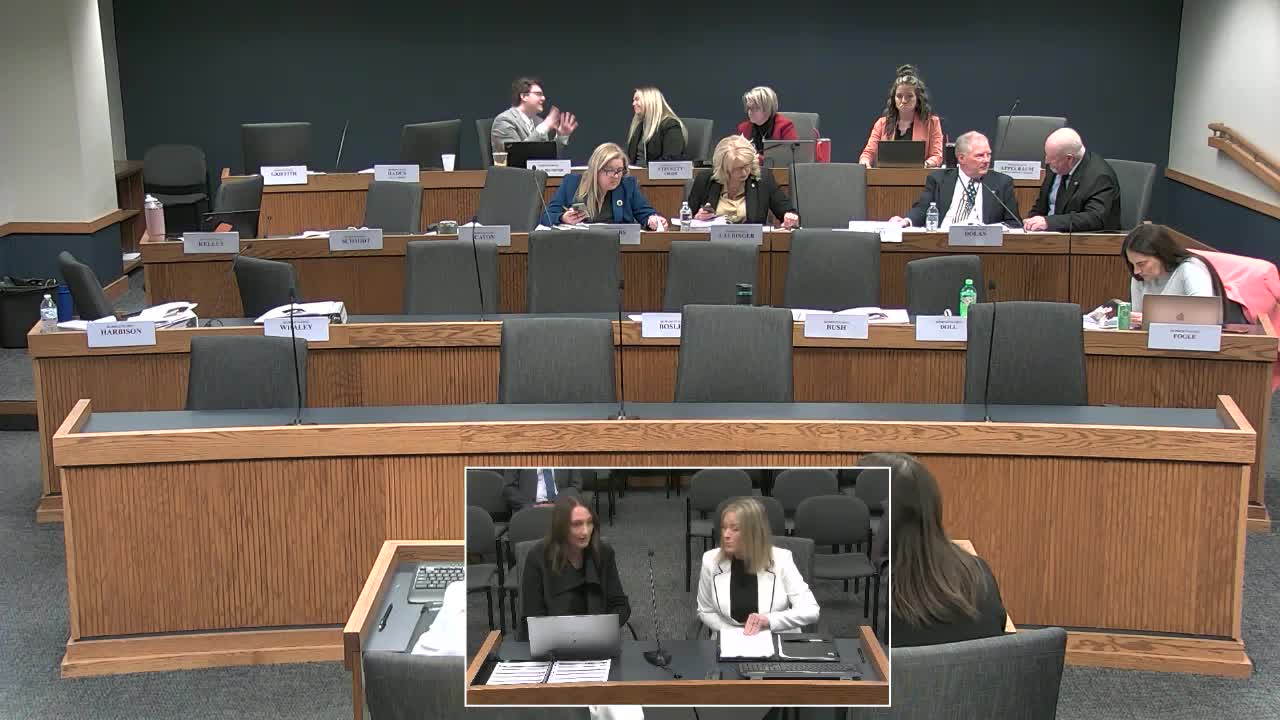
Emily Emery of Ozark told the Missouri House Committee on Health and Mental Health that she and her husband were forced to place their daughter in an out-of-state residential therapeutic program after local options and insurer support proved unavailable.
"We dropped her off on May 18, 2023," Emery said. "From May of 2023 to January of 2024, Anthem denied every single claim, leaving us to pay $100,000 out of pocket." She later testified that the family has spent about $220,000 altogether in the past 18 months.
Emery said her daughter, initially diagnosed with reactive attachment disorder and later with autism, attempted suicide on March 28, 2023, and that the family's efforts to find consistent, specialized therapy in the Springfield area failed because in-network clinicians were booked months out and out-of-network care was costly. Faced with an urgent safety crisis, the family chose residential treatment; Emery said some Missouri facilities required large private-pay deposits and that a program's stated private-pay tuition could be considerably higher once other billed services and outside providers were added.
Malia Shrimpton, an insurance administrator who described herself as an agent and not the carrier, presented claim figures and explained how balance billing and noncontracting facilities can expose families to large unpaid bills. "You'll notice $2,700,000 was billed to CoxHealth Plans," Shrimpton said, referencing a claim summary submitted to the committee. "On the far right side, $359,000 is what CoxHealth Plans did pay. The potential exposure otherwise would be about $2,400,000." Shrimpton said some facilities do not contract with insurers and can therefore seek the difference between what an insurer pays and what the facility bills.
Emery said she sought help from the Missouri Department of Mental Health and from Governor Mike Parson's office but that officials had no immediate solution; she read an admissions-policy excerpt from a specialized provider, Calo, that said the program is private-pay and that "there is absolutely no guarantee they will fund any of your child's stay" through insurance. She told the committee she and her husband were advised by some professionals to consider divorce, bankruptcy or giving custody to the state as ways to qualify for publicly funded care'advice she rejected.
The family described the emotional strain of the billing dispute and of seeking a timely level of care. Shrimpton told the committee that families often must place substantial deposits to secure a bed quickly and then pursue appeals and negotiations with carriers afterward.
Committee members asked whether particular billing items represented consults or separate services billed the same day; Representative Dolan said many line-item charges are consults among multiple clinicians and that rapid, overlapping billing is common in complex residential care settings. Representatives asked about balance-billing law; witnesses said balance billing applies to out-of-network providers in Missouri and can leave families liable for amounts in excess of plan out-of-pocket maximums.
Emery urged the committee to consider three policy areas: transparency in facility billing, regulation of facility charges, and extending Medicaid access to step-parent adoptions where treatment needs mirror those of foster-adopted children. She said she believed a typical private-pay tuition figure for some programs was about $16,000 per month and that the family had paid multiple large down payments of roughly $40,000 to reserve placements.
The committee did not vote on any measures during the hearing. Lawmakers thanked the witnesses and indicated the panel would continue the conversation and consider follow-up questions and materials.