Get Full Government Meeting Transcripts, Videos, & Alerts Forever!
State, counties and providers urge faster coordination, staffing and rural transport for severe-weather shelters
Summary
At an informational hearing Feb. 17, Oregon state and county emergency managers and shelter providers described a “patchwork” severe-weather shelter system, praised recent investments in resilience hubs and prepositioned equipment, and urged clearer advance notice, trained staffing and solutions for rural transportation and medical needs.
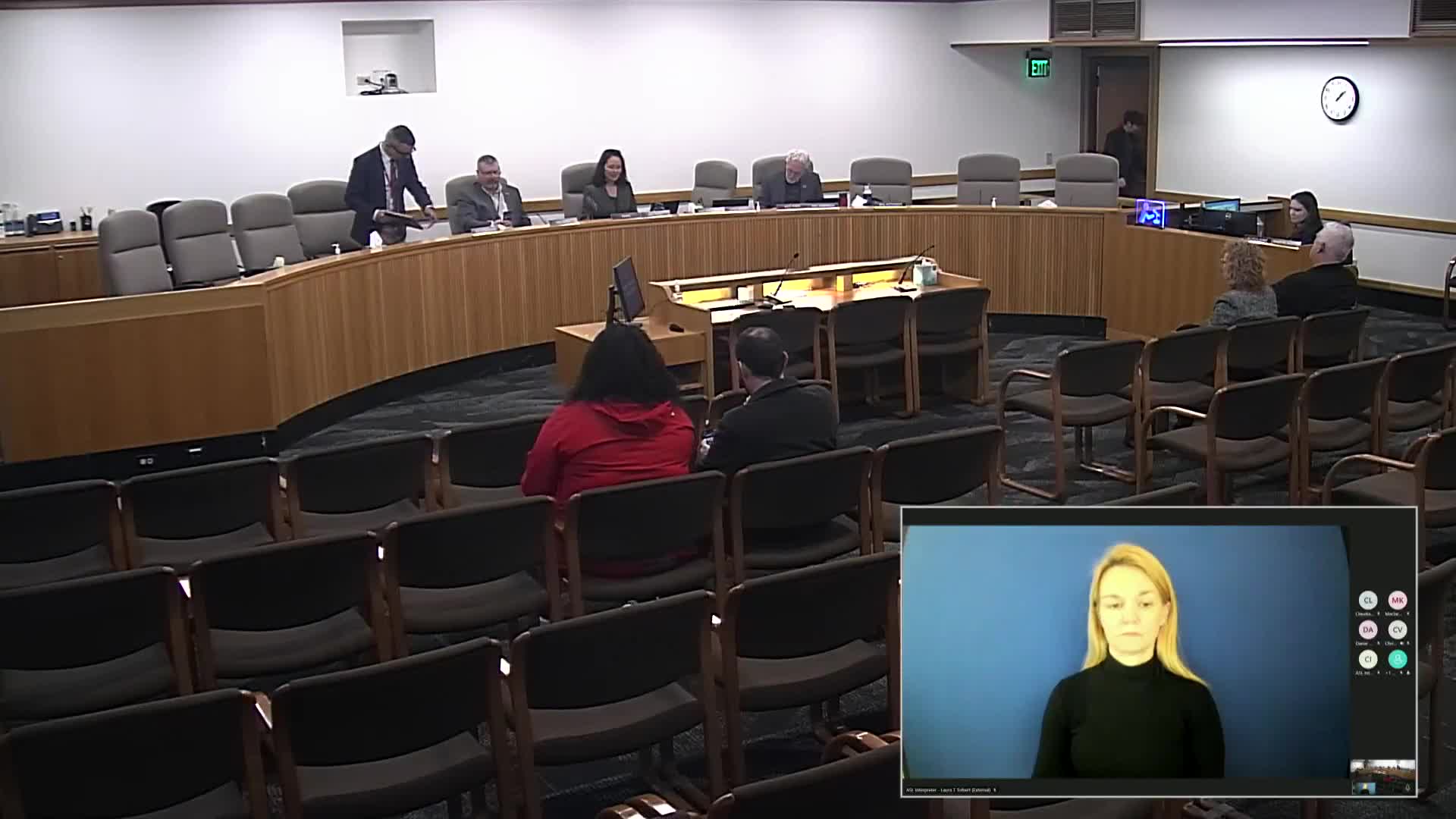
Senator Pham convened the Senate Committee on Housing and Development on Feb. 17, 2025, to examine Oregon’s severe-weather emergency sheltering program, hearing testimony from the Oregon State Resilience Officer, state and county emergency managers and multiple shelter providers about capacity, staffing, rural access and recent state investments.
The hearing underscored that severe-weather sheltering is saving lives but faces growing demand from hotter summers, more ice storms and longer outages. "Emergency weather shelters save lives," said Jonna Papa Efdemieux, Oregon State Resilience Officer. The committee heard provider examples of large activations in the Portland area, transportation and access barriers in rural counties, and steps the Oregon Department of Human Services (ODHS) has taken to build local capacity.
Why it matters: witnesses said extreme-heat and extreme-cold events are becoming more frequent, increasing calls on a system many described as a patchwork of contracted shelters, volunteer-run sites, faith partners and public buildings. The state medical examiner reported 10 hyperthermia/hypothermia deaths in January and 16 in July 2024; speakers said that count understates the risk. Panelists described gaps in staffing, training, secure locations and rural transportation that limit access when shelters open.
Key facts and testimony
- Scope and trends: State resilience and emergency management officials said climate-driven extremes are driving year-round sheltering needs, including cooling centers in summer and warming centers in winter. Jonna Papa Efdemieux, Oregon State Resilience Officer, told the committee that heat deaths now exceed cold-weather deaths in Oregon and that sheltering has become a year-round effort.
- Deaths and public-health data: The committee heard that the state medical examiner counted 26 severe-weather deaths in 2024 (10 in January, 16 in July), a figure…
Already have an account? Log in
Subscribe to keep reading
Unlock the rest of this article — and every article on Citizen Portal.
- Unlimited articles
- AI-powered breakdowns of topics, speakers, decisions, and budgets
- Instant alerts when your location has a new meeting
- Follow topics and more locations
- 1,000 AI Insights / month, plus AI Chat