Get Full Government Meeting Transcripts, Videos, & Alerts Forever!
Get email alerts on the Homeless Services Warming Shelter topic
No spam. Unsubscribe anytime.
Planning commission denies permit for First Presbyterian warming shelter after hours of public comment
Summary
After extensive public comment and deliberation, the Rapid City Planning Commission denied a conditional use permit (24UR025) to operate a low‑barrier warming shelter at First Presbyterian Church by a 6‑2 vote, citing downtown impacts and unresolved operational concerns despite supporters arguing it would save lives.
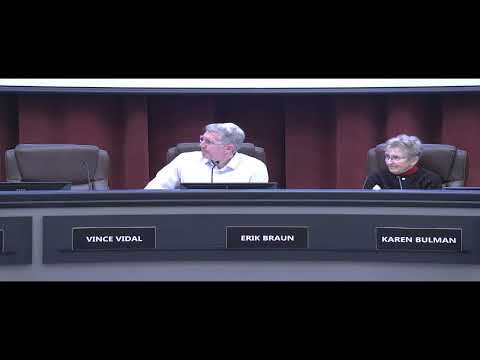
The Rapid City Planning Commission voted 6–2 on Jan. 9 to deny conditional use permit 24UR025, which would have allowed a winter warming shelter operated by HESAPA Community Alliance at First Presbyterian Church, 710 Kansas City Street.
City planner Jessica Olson described the proposal as a “mission” under the land‑use code—a conditional use in the Central Business District—and summarized the operation’s plan: seasonal operation Oct. 1–April 30, Sunday–Friday 5 p.m.–8 a.m., intake at 5:30 p.m., three paid staff (one acting as security), three to six volunteers for meals, and an expected nightly capacity of 10–20 people with a priority for women, women with children and families. Olson said the facility proposed low‑barrier entry and that, because of the proposed overnight sleeping, the project would trigger a requirement for fire suppression and alarm systems prior to occupancy.
Supporters, including Pastor Adam Knutson of First Presbyterian and Lila Melhoff of HESAPA Community Alliance, said the church has unused heated space and that providing a low‑barrier option keeps people safer through the winter. “I’d like to be able to put them to bed inside in the thousands and thousands of square feet of heated space that our church has that sit empty every night while people sleep outside in the cold,” Pastor Knutson said.
Many downtown businesses and residents opposed the location, citing safety, loitering and quality‑of‑life concerns. Business owners and property managers said increased foot traffic, intoxication and related disorder had previously affected alleys and private property, and they worried a small, nightly capacity could leave many people turned away and lingering near downtown businesses. Ryan Marks of the Rapid City Fire Department and representatives of social‑service organizations described the city’s existing services and outreach efforts; Marks emphasized the city routinely offers transportation and outreach and that sober persons can use Cornerstone Rescue Mission while other sites provide services for people under the influence.
Commissioners weighed the humanitarian need against downtown impacts. Commissioner Haven said she appreciated the effort and the need for the service but could not support the application at this location. Others noted the high pedestrian and tourism activity in the downtown core and said adding the warming shelter would concentrate social services in an area already hosting numerous facilities and visitors. Commissioner Brooke moved to deny the conditional use permit; the motion passed on a roll call vote, 6–2.
The denial leaves the proposal without city approval at this site; supporters and service providers signaled interest in pursuing alternative locations, operational changes, or additional mitigation measures. Staff had identified required stipulations and building‑code triggers — including the sprinkler/alarm requirement and verification of operational details — that would apply if the commission had approved the permit.