Get Full Government Meeting Transcripts, Videos, & Alerts Forever!
Get email alerts on the Public Safety Facilities topic
No spam. Unsubscribe anytime.
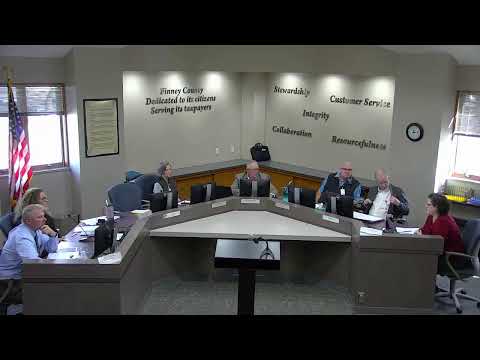
County health, EMS and fire officials describe aging buildings and operational strain; commissioners back facility planning
Summary
County health and EMS directors described chronic structural and space problems at their facilities and warned those problems hamper service delivery and staff recruitment; the fire chief reported higher 2024 call volume and robust training activity.
Finney County health department and emergency medical services directors described recurring structural and safety problems at their buildings and told the Board of County Commissioners those deficiencies affect operations, staff recruitment and public service delivery.
Shruti Chhabra, director of the Finney County Health Department, said the health department has occupied its current building since 1991 and several systems and spaces are failing. She reported repeated flooding into the basement and clinical areas because of foundation and drainage issues, and said the elevator will not function during flooding events. That flooding, she said, forces infection‑control protocols and raises mold risk. Chhabra said the clinic lacks adequate exam rooms, has inadequate storage for pharmaceuticals and supplies, the WIC program occupies a poorly ventilated basement space and the vaccine refrigerator footprint is too small for demand.
Skyler Soares, Finney County EMS director, described parallel problems at the EMS facility. He said roof and foundation leaks continue after a roofing repair, and that dormitory rooms have no external windows and the building lacks a dedicated fire‑suppression system in those sleeping quarters. Soares said the oversized garage door operators and the parking lot need frequent repair; the EMS fleet is six ambulances and the department expects two units per station once planned facilities are online. Soares said recruits and prospective employees view facilities when deciding whether to join the agency and that an updated, purpose‑built EMS headquarters would aid recruitment and retention.
Fire Chief (name on record) provided a monthly and year‑end overview of fire department operations: call volumes rose in 2024 compared with 2023 (fires and alarms were higher), total call hours approached 3,000 and training hours for personnel were almost 12,000 for the year. The chief reported average response time metrics (dispatch to on‑scene averages near two minutes) and briefed commissioners on outreach programs including smoke‑detector distribution grants.
Commissioners discussed joint facilities and storage. The administrator said the county expects to reuse the existing EMS building for secure storage for county departments (health, EMS, emergency management) if a new facility is built, rather than constructing new storage. Commissioners suggested the county explore whether co‑location with city fire stations could meet needs, but EMS staff said earlier reviews indicated space limitations would make sharing other stations difficult.
Commissioners expressed support for pursuing modern, purpose‑built facilities and highlighted the public‑safety benefits of updated infrastructure for response and staff safety.