Get Full Government Meeting Transcripts, Videos, & Alerts Forever!
Get email alerts on the Usaid Oversight topic
No spam. Unsubscribe anytime.
Committee Hearing on USAID Splits Along Partisan Lines over Waste, Transparency and Censorship Claims
Summary
Witnesses and senators debated USAID's spending priorities, alleged censorship and the administration's pause in funding. Republicans called for audits and cuts to programs they described as wasteful; Democrats warned of legal and humanitarian consequences and the loss of inspector-general oversight.
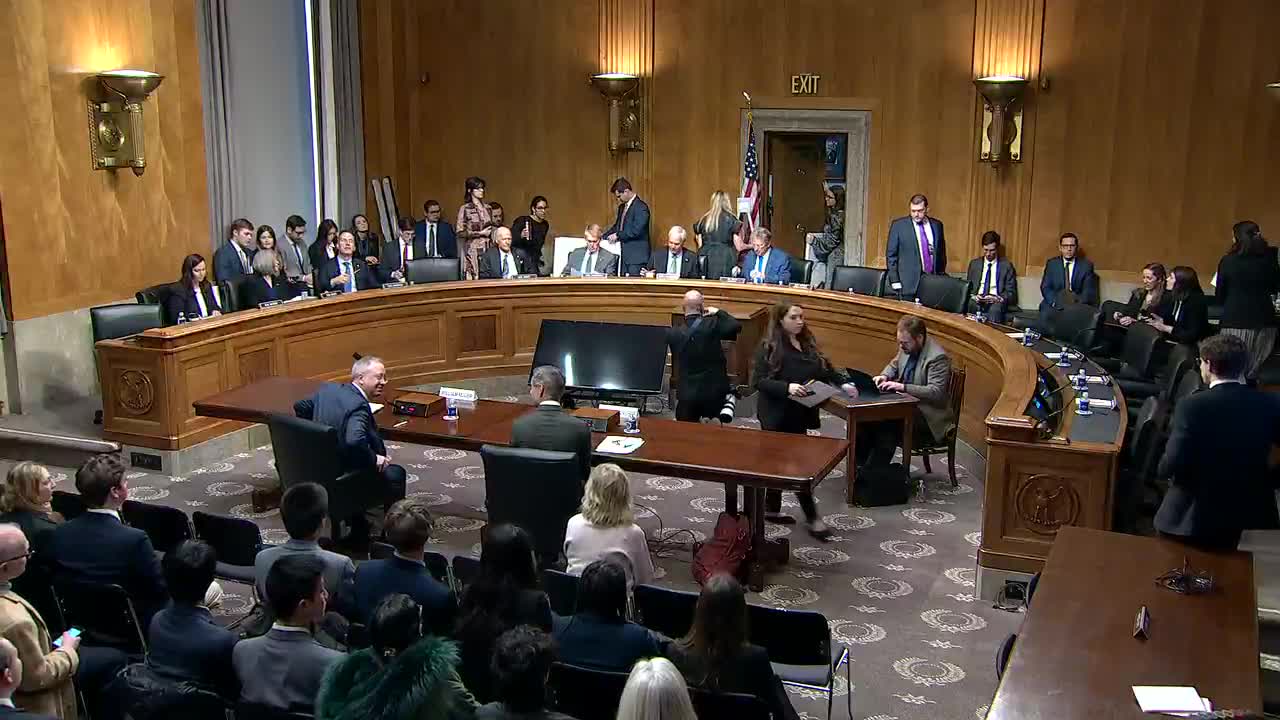
The Senate Homeland Security and Governmental Affairs Committee held a hearing Feb. 5 on foreign assistance and transparency at the U.S. Agency for International Development, with testimony from two outside scholars and extended debate among committee members about alleged waste, censorship and the legality of recent administrative actions.
Chairman Rand Paul opened the hearing by saying the session would "dive into reckless and wasteful spending of our federal government, particularly when it comes to foreign aid," and argued the United States should not be "the sugar daddy for the entire world" while carrying large national debt. He and several Republican senators cited alleged examples of USAID grants they characterized as frivolous or politically driven and urged a comprehensive audit.
Michael Shellenberger, an author and journalist who testified, criticized USAID for what he described as funding "information control and information operations," saying the agency "urged greater censorship by social media platforms" and has backed organizations that, in his account, facilitate pressure on platforms. He also alleged USAID funneled funds to contractors and programs he described as politically directed; during his testimony he referenced EcoHealth Alliance and said USAID money ultimately reached the Wuhan Institute of Virology. Shellenberger testified that "Congress should defund all and any federal programs and contractors that promote or engage in censorship and propaganda."
Dr. William Ruger, president of the American Institute for Economic Research, told the committee that foreign aid is not the decisive factor in U.S. national security and argued aid programs should be prioritized and evaluated for effectiveness. "Sound geostrategic and even geoeconomic thinking requires prioritization and trade offs," Ruger said, advocating scrutiny to cut programs that do not produce measurable security or economic benefits.
Democratic members and some moderates warned the administration's actions could be unlawful and would cause immediate harm. Senator Gary Peters, the committee's ranking member, and Senator Richard Blumenthal cited the removal of inspectors general and agency staffing reductions as undermining oversight. Blumenthal sought to enter a report from the former USAID inspector general into the record and cited that the inspector's report said a pause in funding "has delayed $489,000,000 of food assistance at ports, in transit, and in warehouses." Senator Maggie Hassan and others urged protecting inspectors general and watchdog functions while seeking reforms.
Witnesses and members disagreed on specific examples and causation. Republicans read a string of alleged grants and dollar amounts into the record (for example, the chairman said "$4,800,000 went to Ukraine's Public Affairs Office in Kyiv to fund social media influencers" and cited other items such as fashion shows, arts grants, and programming described as "DEI" or transgender-related). Those figures were presented as evidence of waste by Republican members and witnesses; Democrats challenged the framing, argued some cuts imperil humanitarian programs and cited farmers and other U.S. stakeholders who rely on aid purchases.
Committee practice items recorded in the transcript included swearing in witnesses and the chair's statement that the hearing record would remain open for seven days. The chair closed the hearing after extended questions and debate; the transcript ends with the committee adjourning.
The hearing produced no committee votes on legislation; senators on both sides signaled interest in additional oversight, with members proposing further hearings, requests for the fired inspector general to testify and continued review of USAID budgeting and contracting practices.