Get Full Government Meeting Transcripts, Videos, & Alerts Forever!
Lawmakers Press for Benchmarks on Sanctions Relief, Warn Against Russian and Iranian Footprints; Urge Diplomacy With Turkey
Summary
Committee members and witnesses debated conditions for sanctions relief and the geostrategic risk of Russian, Iranian and Chinese influence in a post‑Assad Syria, while also warning that Turkey's use of proxy forces complicates stabilization and counterterrorism efforts.
Senators and witnesses at the Senate Foreign Relations Committee hearing debated how to balance incentives to the new Syrian authorities against the risk that Russia, Iran or China will exploit a transitional vacuum.
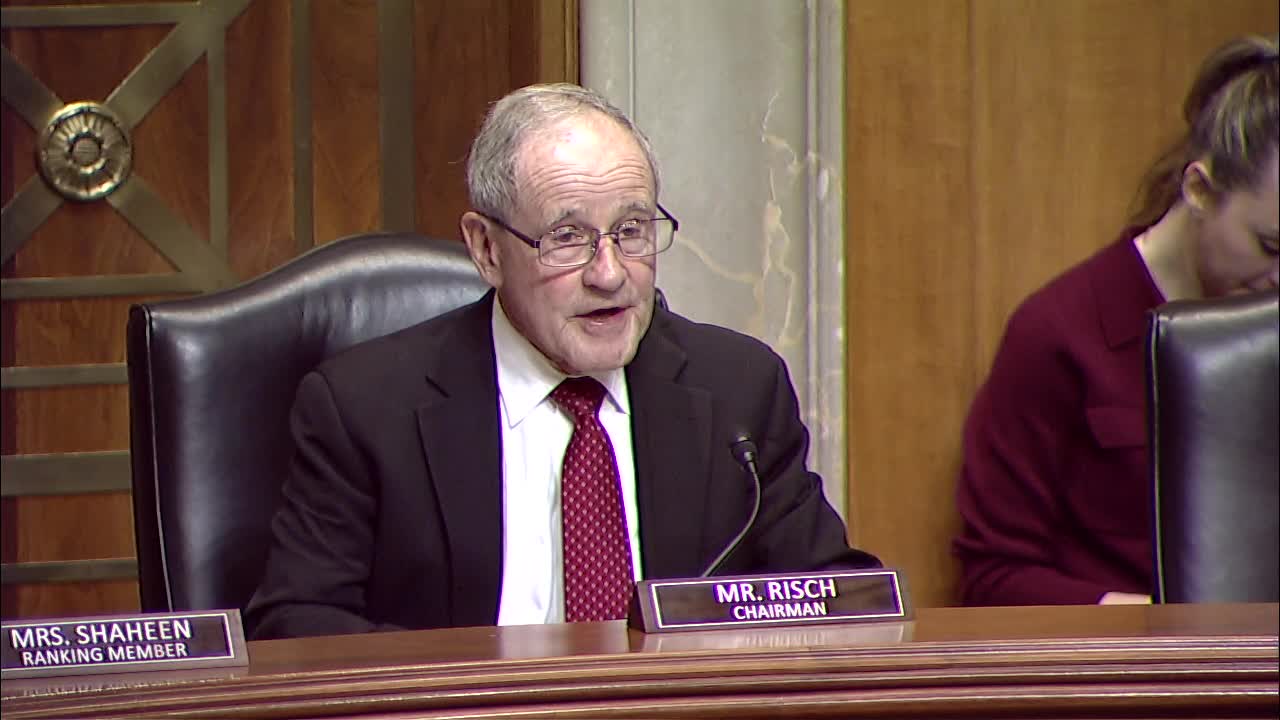
Chairman Jim Risch said one condition for engagement must be that "Russian and Iran must be permanently ejected from Syria" and warned against allowing Moscow continued access to Mediterranean basing. "Moscow must not have use of its port on the Mediterranean to threaten the United States or our allies," he said.
Witnesses descr…
Already have an account? Log in
Subscribe to keep reading
Unlock the rest of this article — and every article on Citizen Portal.
- Unlimited articles
- AI-powered breakdowns of topics, speakers, decisions, and budgets
- Instant alerts when your location has a new meeting
- Follow topics and more locations
- 1,000 AI Insights / month, plus AI Chat