Get Full Government Meeting Transcripts, Videos, & Alerts Forever!
Senate Foreign Relations Committee grills Elise Stefanik on UN reform, UNRWA funding, China influence and Iran
Summary
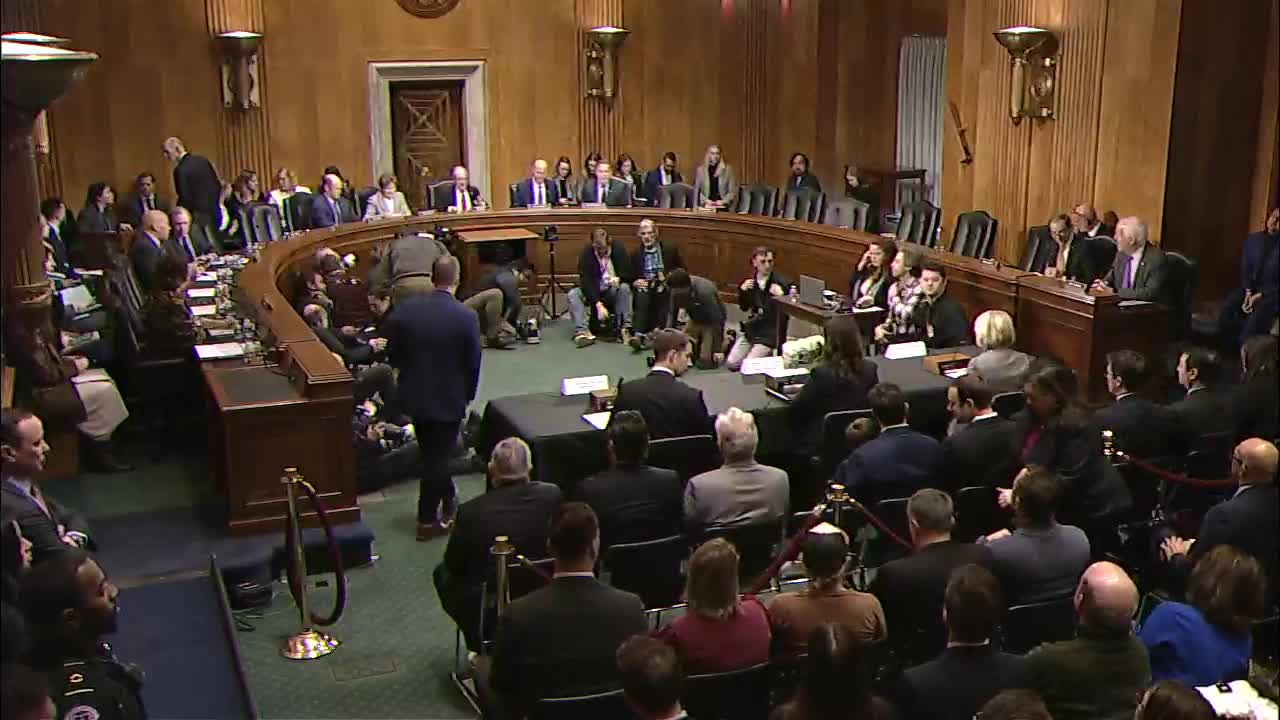
Representative Elise Stefanik appeared at a public hearing of the Senate Foreign Relations Committee to answer questions on her nomination to be U.S. ambassador to the United Nations.
Representative Elise Stefanik appeared at a public hearing of the Senate Foreign Relations Committee to answer questions on her nomination to be U.S. ambassador to the United Nations. Chair Jim Risch opened the session by framing the hearing around what he described as the UN's departure from its founding mission, and numerous senators pressed Stefanik on ways the United States should use its leverage as the largest UN funder.
The hearing brought a wide range of issues into a single confirmation setting: reform and accountability at UN agencies, allegations of antisemitism and anti‑Israel bias, the U.S. share of UN budgets, whether to resume or withhold contributions to specific agencies such as UNRWA and WHO, China’s long‑term personnel strategy inside the UN system, Taiwan’s participation in UN bodies, the prospect of “snapback” sanctions on Iran under U.N. Security Council Resolution 2231, and humanitarian crises in Sudan, Gaza, Ukraine, Haiti, Myanmar and Syria.
Stefanik framed her approach in terms she said matched President Trump’s priorities: “America First, peace through strength,” stewardship of U.S. taxpayer dollars, and a demand for transparency and accountability across UN entities. In her opening remarks, she said the United States is the largest contributor to the UN system and must ensure that contributions “serve the interest of the American people.” She repeated several times that she would press for reform and for U.S. leadership at the UN.
Senators from both parties questioned Stefanik on specific agencies and policies. Chair Jim Risch said the UN has “not lived up to its founding mission,” and emphasized U.S. leverage given that the United States pays roughly 22% of the UN regular budget and about 25% of the peacekeeping budget, figures Risch cited during the hearing. Ranking Member Jeanne Shaheen and others urged Stefanik to weigh the national security benefits of multilateral engagement, noting that UN programs can act as…
Already have an account? Log in
Subscribe to keep reading
Unlock the rest of this article — and every article on Citizen Portal.
- Unlimited articles
- AI-powered breakdowns of topics, speakers, decisions, and budgets
- Instant alerts when your location has a new meeting
- Follow topics and more locations
- 1,000 AI Insights / month, plus AI Chat