Get Full Government Meeting Transcripts, Videos, & Alerts Forever!
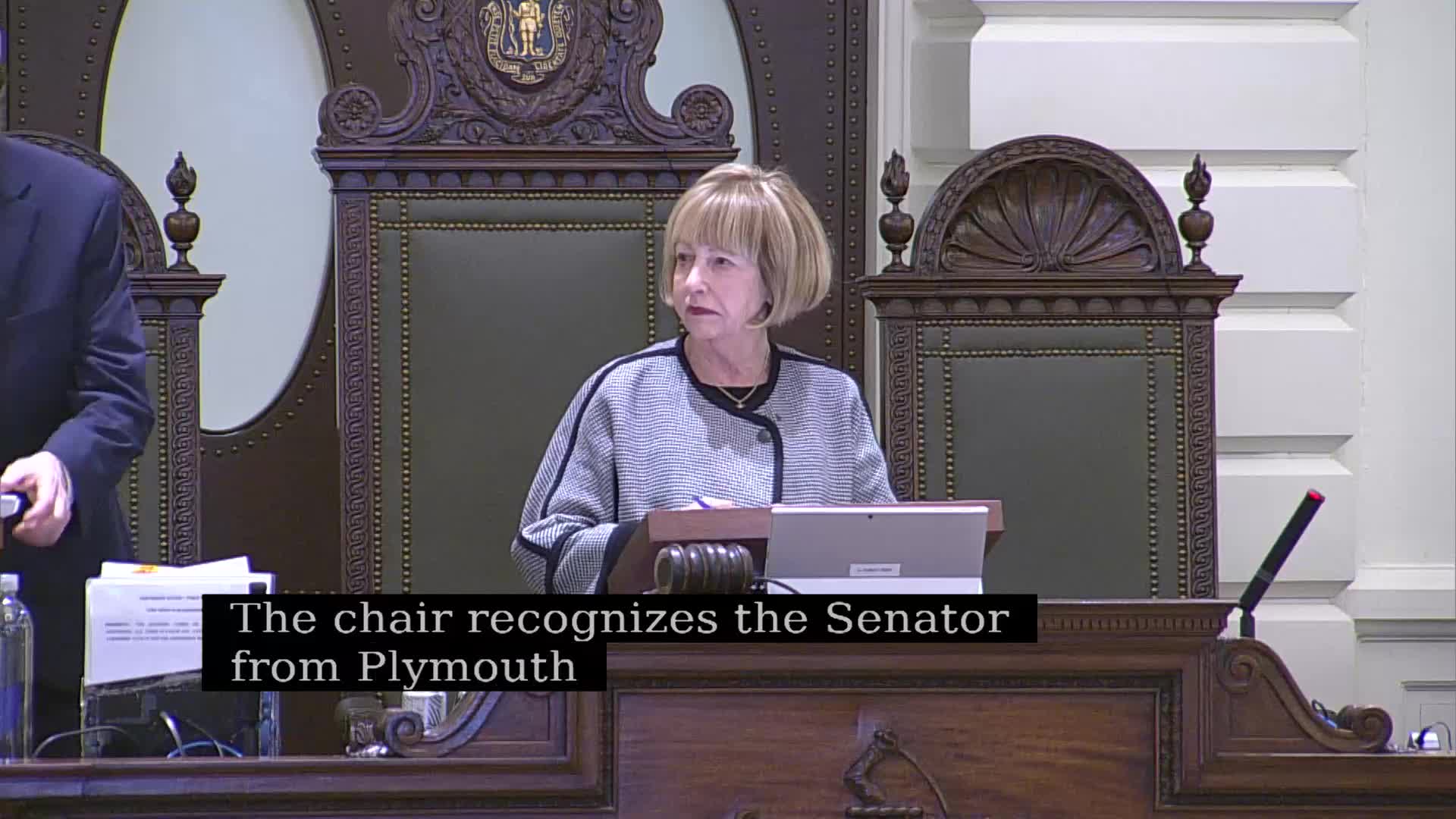
Senate debates $425 million supplemental budget to reform emergency family shelter; key amendments fail
Summary
The Massachusetts Senate considered a supplemental budget proposal that would transfer $425,000,000 from the transitional escrow fund to cover emergency family shelter costs and would impose new eligibility checks, shorter maximum stays and expanded reporting requirements.
The Massachusetts Senate considered a supplemental budget Tuesday that would draw $425,000,000 from the state's transitional escrow fund to cover costs in the emergency assistance (EA) family shelter system and impose new eligibility, reporting and safety requirements.
The measure, presented by Senator Brendan C. Rodricks, the senator from Plymouth and Bristol, would reduce the maximum length of stay in the EA program from nine months to six months while preserving limited extensions for hardship and certain protected groups. It also would require stronger identity and residency verification, criminal-offender record information checks for shelter applicants, a cap on system capacity and a series of new reports from the Executive Office of Housing and Livable Communities.
The supplemental budget matters because the EA shelter system has driven steep costs in recent years and because the Senate and administration are trying to reconcile public-safety concerns, statutory protections in the Commonwealth's right-to-shelter framework and long-term housing strategies.
The bill would appropriate $425,000,000 from the transitional escrow fund "to cover costs for EA shelter in support of services for unhoused families to the remainder of FY25," Rodricks told the chamber. It would also seek to bring system capacity back toward a historical level "serving 4,000 families," limit unverified stays to 30 calendar days while eligibility is checked, and require HLC to obtain criminal record information for all applicants and allow denial or termination of benefits for those who refuse required checks or have relevant convictions.
Senators repeatedly framed the debate as a balance between sustaining the right to shelter and addressing public-safety and fiscal concerns. "In the absence of…
Already have an account? Log in
Subscribe to keep reading
Unlock the rest of this article — and every article on Citizen Portal.
- Unlimited articles
- AI-powered breakdowns of topics, speakers, decisions, and budgets
- Instant alerts when your location has a new meeting
- Follow topics and more locations
- 1,000 AI Insights / month, plus AI Chat