Get Full Government Meeting Transcripts, Videos, & Alerts Forever!
Get email alerts on the Maglev Appropriations Ban topic
No spam. Unsubscribe anytime.
Maglev funding ban draws broad public‑policy debate; unions, municipalities and minority‑business groups split
Summary
Delegate Nicole Williams' HB 400 would bar state appropriations for a proposed Baltimore–Washington magnetic‑levitation project. Supporters said the state should not risk taxpayer funds; opponents, including project proponents and business groups, argued the ban would close off future options and economic opportunity.
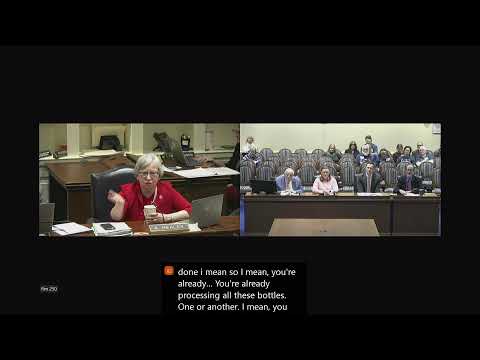
Delegate Nicole Williams presented House Bill 400 on Feb. 14, asking the Environment and Transportation Committee to prohibit Maryland from using state appropriations for a magnetic‑levitation (maglev) transportation system. Williams said she supports mass transit but believes a privately advanced maglev project should be built and financed by private entities, not by Maryland taxpayers.
Supporters at the hearing cited cost, environmental and equity concerns. David Pendleton, a SMART Transportation union director, said maglev proposals would divert dollars from needed investments in existing rail services and estimated construction costs in testimony at the hearing in a range “from $10,000,000,000 to as high as $26.5 billion.” The city of Greenbelt’s council member Amy Neesel and others warned of potential environmental impacts including loss of tree canopy and disruption to wetlands along the proposed route. The Maryland Coalition for Responsible Transit and local elected officials urged the committee to protect limited state transportation funds.
Opponents argued the bill could preclude future policy choices and deny economic opportunity. Ian Rainey of Baltimore Washington Rapid Rail (project proponent) said his group never asked the state for funds but that a statutory prohibition would signal that Maryland is closed to innovation and could hinder interagency planning. Minority‑business and contractor groups, including the Maryland Hispanic Chamber of Commerce and My Business Counts, said the project promises subcontracting opportunities for small and minority‑owned firms and urged an unfavorable report.
Committee members pressed both sides. Some lawmakers noted the federal NEPA review for the project is paused but that MDOT and the FRA have continued some review activities. Opponents said grant applications, permitting or later decisions about intermodal access could require state actions; they warned that a prohibition could prevent future beneficial adjustments the state might decide to make. Proponents of the ban countered that passing HB 400 would be a “belt and suspenders” assurance that the state would not be on the hook for private‑led maglev construction.
No formal committee action occurred; proponents and opponents asked for an unfavorable report on opposing positions. Several witnesses offered to supply documents to the committee on project cost estimates, NEPA materials and minority‑business commitments.