Get Full Government Meeting Transcripts, Videos, & Alerts Forever!
SOUTHCOM Commander Warns of Chinese, Russian Influence in Latin America, Urges Continued U.S. Presence
Summary
Admiral Halsey told senators China and Russia are expanding economic and military influence across Latin America — from ports and telecommunications to space-related infrastructure — and said sustained U.S. presence and security cooperation are needed to counter predatory practices and protect regional partners.
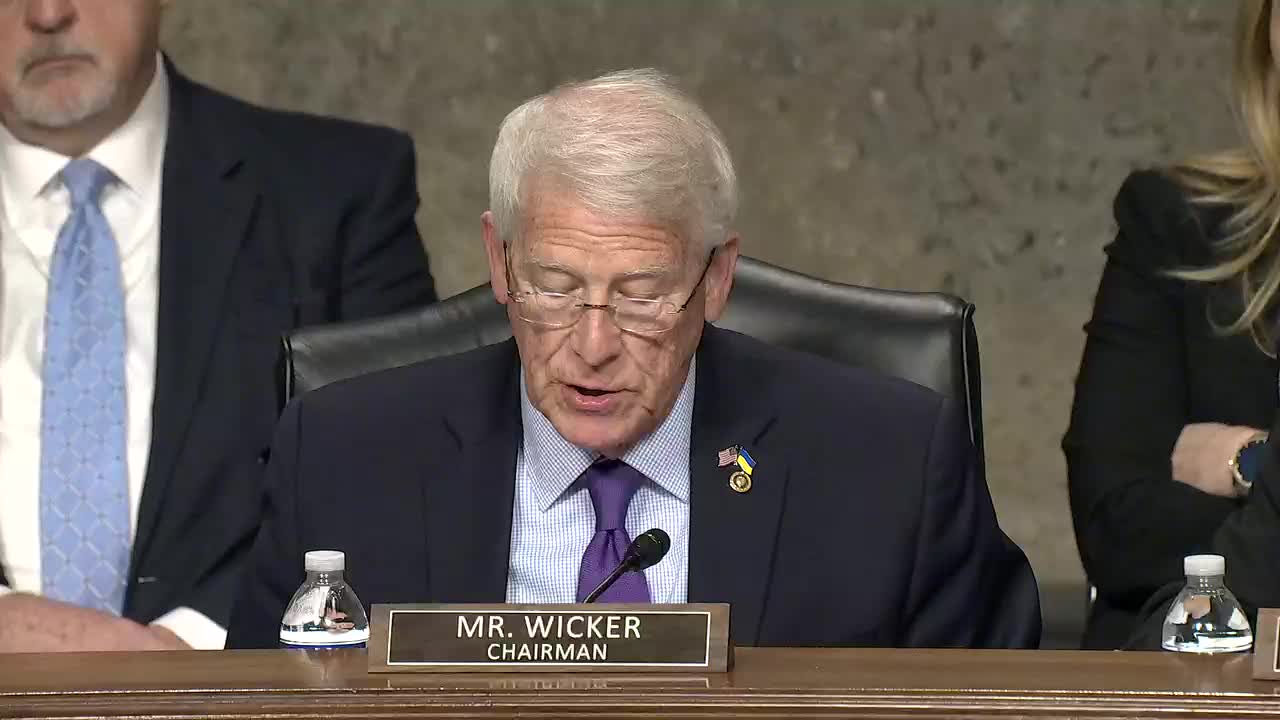
Admiral Halsey, commander of U.S. Southern Command, told the Senate Armed Services Committee that strategic competition from China and Russia in the Western Hemisphere is growing and is being waged through economic influence, infrastructure projects and military engagement.
Why it matters: Committee members and the commander described investments by Chinese state-owned enterprises in ports and power grids, Huawei telecommunications adoption by partner countries, dual-use facilities such as deepwater ports and…
Already have an account? Log in
Subscribe to keep reading
Unlock the rest of this article — and every article on Citizen Portal.
- Unlimited articles
- AI-powered breakdowns of topics, speakers, decisions, and budgets
- Instant alerts when your location has a new meeting
- Follow topics and more locations
- 1,000 AI Insights / month, plus AI Chat