Get Full Government Meeting Transcripts, Videos, & Alerts Forever!
Get email alerts on the Fish And Game Budget topic
No spam. Unsubscribe anytime.
Fish and Game requests $18.2M in enhancements; Valley Fire rehab and website overhaul highlighted
Summary
The Idaho Department of Fish and Game presented a 2026 enhancement package that is mostly one‑time funding, described plans to rehabilitate fire‑burned wildlife habitat after the Valley Fire, and said it will continue a multi‑phase website overhaul begun with a 2024 appropriation.
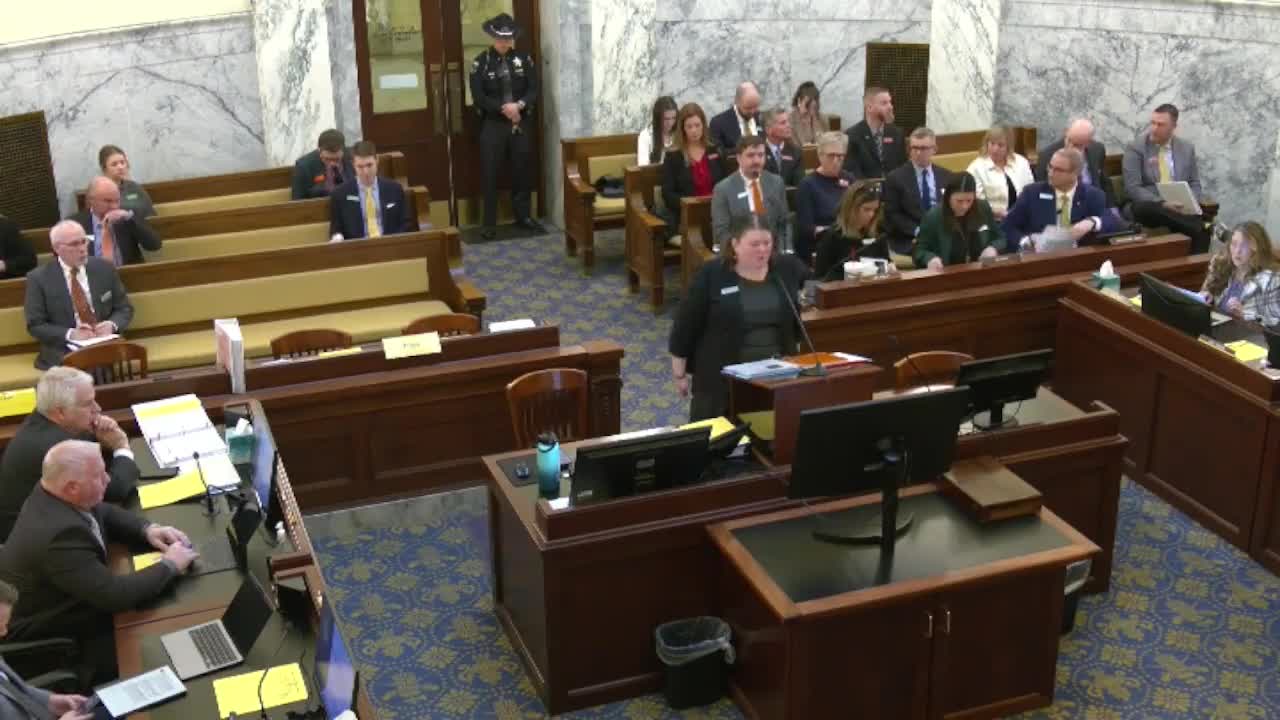
Janet Jessup, budget and policy analyst with Legislative Services, told the committee the Idaho Department of Fish and Game requested $18,184,900 in fiscal 2026 enhancements, and that about 88% of the request is one‑time funding.
The request matters because Fish and Game operates 19 hatcheries, statewide wildlife management areas and enforcement programs funded almost entirely by dedicated and federal funds rather than general tax dollars; the agency said many enhancement requests reflect replacement items, maintenance backlog work, and federal grant alignment.
Jim Fredericks, director of the Idaho Department of Fish and Game, said the department does not receive general fund support and relies on license, tag and permit revenue and federal grants. Jessup told the committee the Fish and Game Fund includes set‑aside subaccounts that require revenues from certain licenses to be used for statutorily specified purposes, such as access improvements for anadromous fish.
Jessup said prior appropriations included nearly $9 million in ongoing base increases in 2023 and called out roughly $590,000 for wolf census and depredation costs, $4.9 million to address a maintenance backlog, and about $3 million for depredation claims in earlier years. She also described a fiscal 2025 supplemental request tied to the Valley Fire, which burned about 9,900 acres east of Boise and affected winter range on department lands.
Fredericks said the initial Valley Fire rehabilitation cost in the immediate term is “about 3 quarters of a million dollars” for seed, aerial herbicide and initial treatments, and warned that restoration will be ongoing and may require additional investment in future years. He said the department is in talks with the utility company about voluntary contributions toward longer‑term restoration.
On information technology, the department told the committee it has spent a small portion of an initial $750,000 for phase one of a website redesign and has used that work to scope a total project cost closer to $1.3 million. Fredericks said the department expects to begin phase two work promptly if the enhancement is approved.
John Oswald, administration bureau chief, explained a dip in cash balances between FY23 and FY24 by saying the agency fell behind on federal grant billing and caught up in FY25, and that FY26 balances reflect deliberate use of reserves for one‑time projects such as regional office remodels and hatchery work.
Other requests for 2026 included continuation of software licenses, remote connectivity for select rural hatchery sites, and funding to align appropriations with available federal grant awards. The governor’s recommendation did not deviate from the agency’s requests. No formal committee actions were recorded during the presentation.