Get Full Government Meeting Transcripts, Videos, & Alerts Forever!
NORAD/NORTHCOM Urge Faster Buildout of Domain Awareness, Space Sensors for Homeland Missile Defense
Summary
General Guillot told senators that an effective homeland missile-defense architecture requires a layered sensor grid from seabed to space and faster fielding of detection and intercept systems, and warned that spectrum access and industrial capacity are limiting factors.
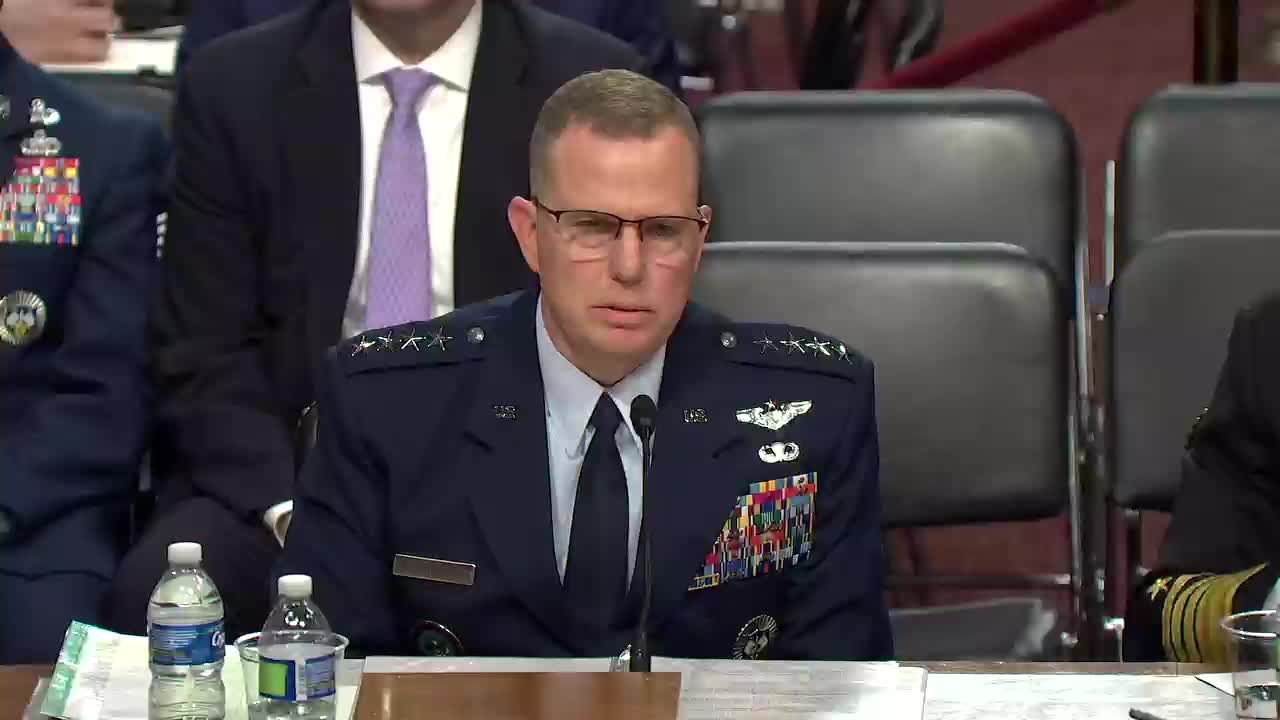
General Gregory Guillot, commander of the North American Aerospace Defense Command (NORAD) and U.S. Northern Command (NORTHCOM), told the Senate Armed Services Committee that homeland missile defense must start with improved detection: a layered ‘‘domain awareness’’ network from seabed to space.
Why it matters: Witnesses and senators framed the issue as urgent as competitors field longer-range and maneuverable weapons, including hypersonic missiles. Committee members pressed for accelerated procurement of space-based…
Already have an account? Log in
Subscribe to keep reading
Unlock the rest of this article — and every article on Citizen Portal.
- Unlimited articles
- AI-powered breakdowns of topics, speakers, decisions, and budgets
- Instant alerts when your location has a new meeting
- Follow topics and more locations
- 1,000 AI Insights / month, plus AI Chat