Get Full Government Meeting Transcripts, Videos, & Alerts Forever!
Get email alerts on the Parks And Recreation topic
No spam. Unsubscribe anytime.
Idaho Parks seeks program consolidation, higher seasonal pay and major capital projects
Summary
The Idaho Department of Parks and Recreation told the Joint Finance Corporation Committee it wants to merge two budget programs, raise seasonal pay to address staffing shortages, and is seeking funding for major capital outlay projects including improvements at Bear Lake and Lake Cascade.
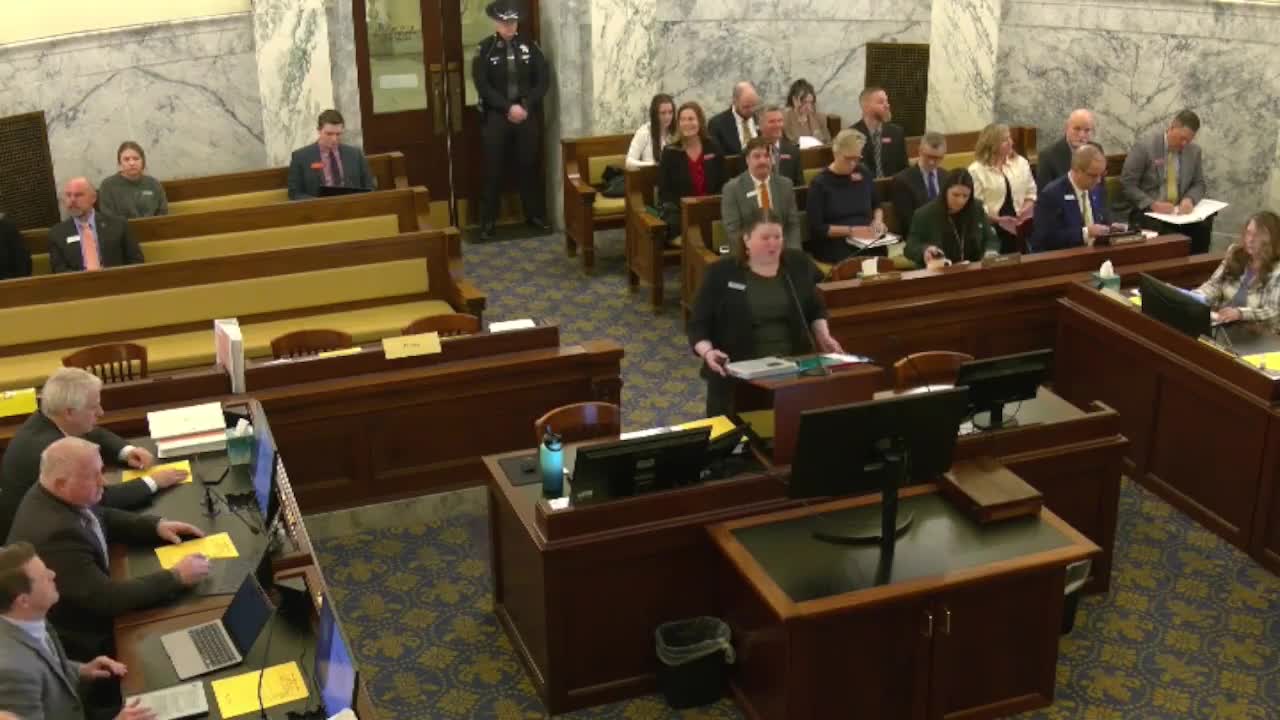
Susan Buxton, director of the Idaho Department of Parks and Recreation, told the Joint Finance Corporation Committee the agency is asking to consolidate its management services and park operations programs and to raise seasonal pay and targeted ranger wages ahead of the 2026 fiscal year.
The request matters because the department manages Idaho’s 30 state parks and trail systems and relies heavily on dedicated revenue streams and seasonal staff to run remote facilities. The changes are intended to make administration simpler, address long-standing pay compression, and help clear a maintenance backlog financed in part by prior one-time appropriations.
Buxton said the consolidation of management services and operations is “a ministerial request” intended to make it easier to track revenues and expenditures across the system without reducing any program authority. She described efforts since 2020 to address pay compression among park managers and rangers, saying the department has used dedicated funds to raise steps where needed so newer hires do not exceed long‑time employees in pay.
The agency asked to raise seasonal employee pay from $12 an hour toward $15 an hour; the department has requested incremental funding in prior years and told the committee the market now often requires higher wages in resort areas. Buxton said the department hires about 300 seasonal employees each year and more than 500 volunteers, and that some locations require wages above $15 to recruit staff.
Budget materials presented by Legislative Services show the parks agency’s expenditures are heavily weighted toward capital outlay in some years (about 41% of 2024 expenditures) and trustee and benefit passthroughs (roughly 17.5% in 2024). The department’s capital projects program carries no full‑time positions in the base budget because those line items fund one‑time capital improvements when authorized by the Legislature.
Buxton highlighted two sizable capital requests the agency submitted for fiscal 2026: Bear Lake Fish Haven improvements and Lake Cascade projects; the governor’s recommendation included the agency’s full request. Buxton also described ongoing work at Heyburn State Park, where replacement of two aging marinas — identified in the presentation as Rocky Point and Chocolat — is being coordinated with the Coeur d’Alene Tribe and funded in part by federal dollars and tribal contributions.
On equipment and program specifics, Troy Elmore, operations administrator for Parks and Recreation, told the committee a compact wheel loader in the snowmobile program is paid for from snowmobile sticker funds and is intended to serve parking lots used by snowmobilers. He said counties operate local grooming programs, the department owns groomers, and the new loader would be the third unit purchased to serve roughly a third of the snowmobile grooming parking lots across the state.
Committee members pressed for more detail on deferred maintenance and wanted a written summary of current project status. Buxton and the agency said the committee’s packet contains a project list with ARPA and other funds identified and that staff will provide the requested summary to the committee.
The presentation and Q&A did not include any formal committee action during the hearing. The department said many of the recent budget increases were one‑time appropriations for deferred maintenance that will be expended over multiple years and that ongoing dedicated fund increases reflect passthroughs to local entities and some personnel adjustments.