Get Full Government Meeting Transcripts, Videos, & Alerts Forever!
Get email alerts on the Child Abuse Statute Of Limitations topic
No spam. Unsubscribe anytime.
Committee debate on eliminating civil statute‑of‑limitations for child sexual abuse ends with no clear recommendation
Summary
Testimony from survivors and advocacy groups supported removing time limits for civil claims tied to child sexual abuse; the committee adopted an amendment but subsequent motions produced tied votes and no final favorable recommendation recorded in the hearing.
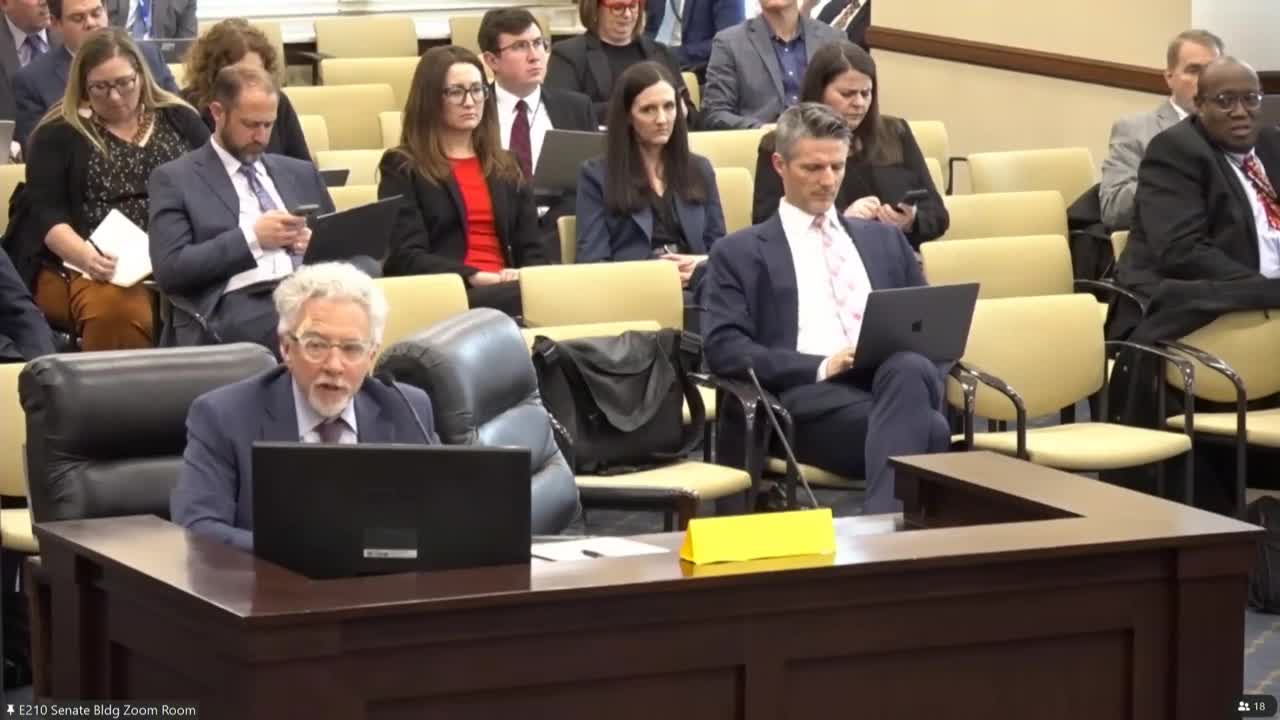
SALT LAKE CITY — A bill proposing elimination of certain civil statutes of limitations for child sexual abuse drew emotional testimony from survivors and victim‑service organizations but did not secure a clear committee recommendation during the Senate Judiciary hearing.
A survivor, Melanie Webster, and other witnesses described decades‑long delays in disclosure, trauma and the need for legal options for adults who first report abuse many years after it occurred. Supporters, including the Victim Services Commission and CCJJ, said survivors need time to come forward and that the measure would place responsibility on perpetrators and provide a civil remedy for long‑delayed disclosure.
Senators debated procedural safeguards and the risk of stale evidence. One amendment (amendment 2) was adopted in committee by voice vote. Committee members then considered motions to move the item forward and to place the bill on a favorable recommendation; votes on subsequent motions were tied, producing no final committee recommendation on the floor during the hearing record.
Opponents and some senators raised concerns about wrongful‑liability risk where witnesses or evidence are long‑ago, and about applying civil remedies without a parallel criminal conviction. The sponsor and several supporters said cases of child sexual abuse often involve delayed disclosure and complex trauma; they argued civil relief can be an important route to accountability and recovery.
Why it matters: The bill would remove or extend civil time limits for certain sexual‑abuse claims, which supporters say ensures survivors have access to redress even after decades. Opponents warned that memory fade, loss of evidence, and the nature of civil litigation could create fairness concerns; the committee did not record a final favorable report during the hearing.