Get Full Government Meeting Transcripts, Videos, & Alerts Forever!
Get email alerts on the Guardianship Severe Intellectual Disability topic
No spam. Unsubscribe anytime.
Panel backs bill creating separate guardianship procedure for adults with severe intellectual disabilities
Summary
Senators advanced first substitute SB 199 after testimony from parents and disability advocates for a streamlined guardianship process for adults with lifelong, severe intellectual disabilities and after opponents raised due‑process and discrimination concerns.
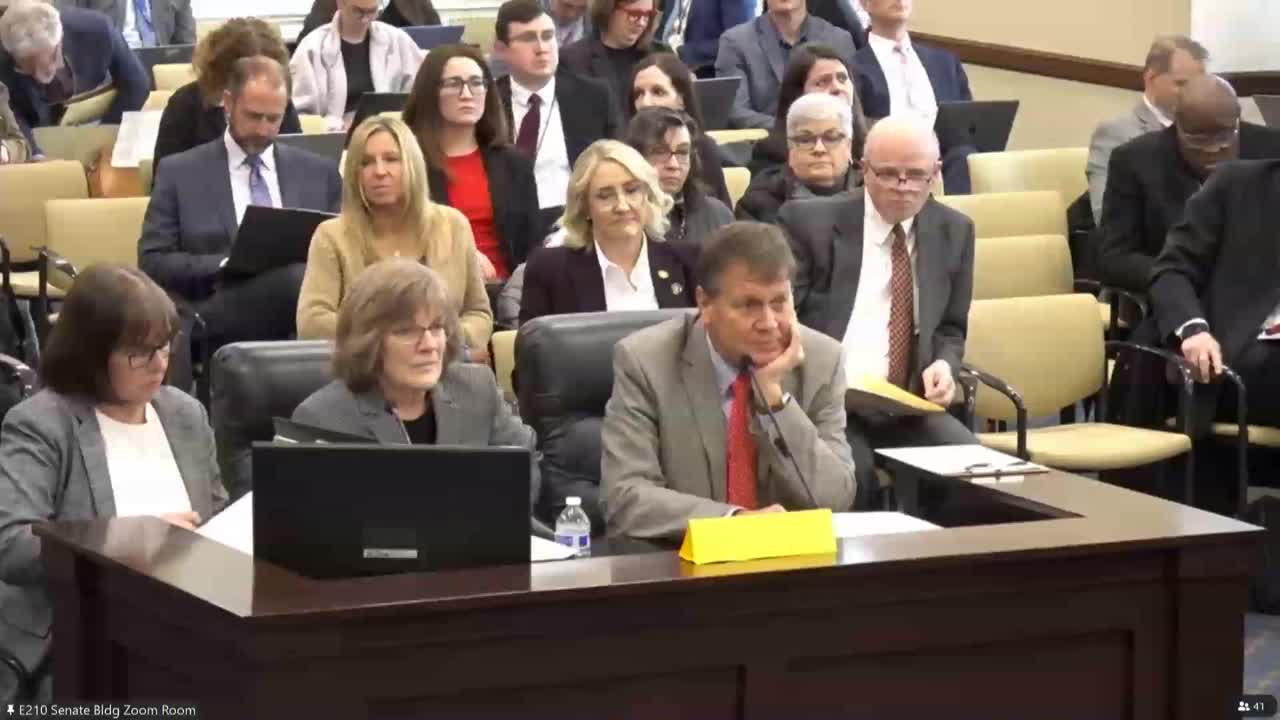
SALT LAKE CITY — The Senate Judiciary Committee voted to favorably recommend first substitute Senate Bill 199, a measure that creates a distinct guardianship statutory track for adults with lifelong severe intellectual disabilities. Senators voted in favor after an extended public hearing that drew family members, service providers and disability advocates.
Sponsor Sen. Stratton framed SB 199 as a narrowly tailored option for adults whose cognitive limitations began in childhood and who require lifelong decision‑making support. Supporters — including parents who testified and attorneys who have worked with guardianships — said the bill would reduce trauma, allow remote hearings when appropriate, permit full guardianships where needed and ease reporting burdens on family replacement guardians such as siblings and grandparents.
Lisa Thornton described caring for her adult daughter with Prader‑Willi syndrome and said the bill would let families better protect vulnerable adults from exploitation and harmful outcomes while preserving due process. Retired attorney Annalise Smith said the bill keeps due‑process protections and judicial oversight while easing burdens on families and allowing courts to prefer full guardianships for those with severe, lifelong impairments.
The Disability Law Center and ACLU testified in opposition, arguing the definition of “severe intellectual disability” in the bill is too broad, that exemptions from reporting could reduce oversight of neglectful or abusive guardians, and that the bill risks creating a separate, more restrictive system for a class of people that may violate federal disability law. Committee members pressed both sides on safeguards; the sponsor and other backers said courts must find incapacity by clear and convincing evidence and may appoint visitors or request expert testimony.
Senator Brammer moved the favorable recommendation; the committee recorded a unanimous recommendation in committee (vote recorded in transcript as 7–0). The sponsor thanked families and stakeholders for months of work on the policy.
Why it matters: SB 199 would alter the guardianship landscape by adding a statutory pathway intended to reflect the lifelong functional needs of people with severe intellectual disabilities. Supporters say the measure reduces trauma and administrative burden for families; opponents warn of diminished rights and reduced oversight if reporting exemptions are interpreted broadly.