Get Full Government Meeting Transcripts, Videos, & Alerts Forever!
Get email alerts on the Emergency Medical Services topic
No spam. Unsubscribe anytime.
Committee approves EMS bill to move bureau, create critical needs account and raise grant cap
Summary
SB 209, reorganizing emergency medical services under the Department of Public Safety and creating a critical-needs grant account with an increased grant cap, was amended and passed unanimously after testimony from EMS providers and the bureau director.
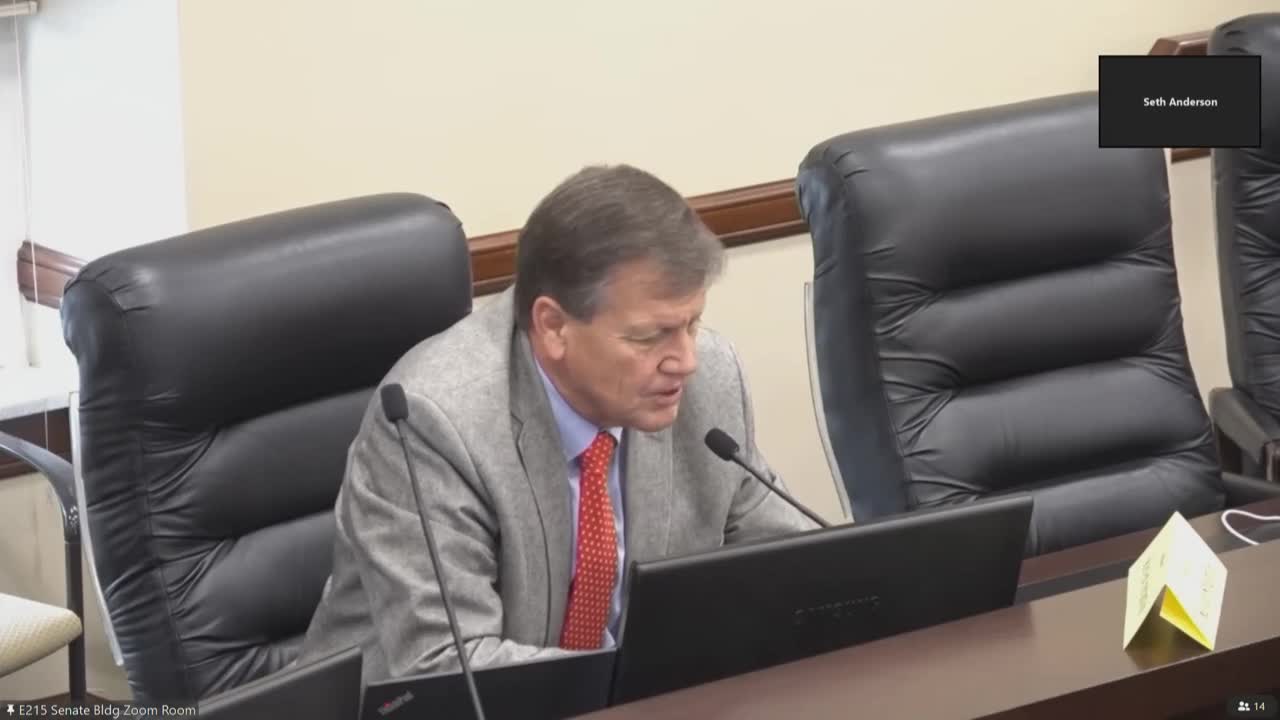
The Health and Human Services Committee recommended SB 209—emergency medical services—as amended. Sponsors described the bill as a package of technical and structural fixes following the transfer of the Bureau of Emergency Medical Services from the Department of Health to the Department of Public Safety.
Senator Owens introduced the bill and called Director Bushman from the Bureau of EMS to present. Major provisions described in committee included:
- Clarifying ambulance service as an essential service and adjusting liability language related to the bureau’s transfer to DPS. - Creating an Emergency Medical Services Critical Needs Account to collect and hold unspent grant funds so the bureau can distribute awards quarterly for urgent needs rather than disbursing very small per-capita amounts at year-end. - Raising the maximum grant cap to better reflect modern ambulance costs (sponsors cited fully equipped ambulances approaching $500,000) and increasing a previous cap from $100,000 to $200,000 in the critical-needs grant program. - Transferring EMS training oversight to the bureau and correcting several code references, including rules about peer-review boards and public notice requirements.
Committee members approved one line-specific technical amendment concerning special service districts. Public testimony included Mike Moffett of Gold Cross Ambulance and Andy Smith of the Rural EMS Directors Association, both urging support for increased funding flexibility and the critical-needs account. The committee then voted to pass SB 209 as amended with a unanimous recorded vote (4–0 with one senator on line), and the bill will move to the full Senate for further action.