Get Full Government Meeting Transcripts, Videos, & Alerts Forever!
Get email alerts on the Medical Cannabis topic
No spam. Unsubscribe anytime.
Committee substitutes wide-ranging medical cannabis package, then pauses final action after contentious testimony
Summary
Lawmakers moved HB 203 to a fourth substitute that tightens licensing and creates a medical cannabis ombudsman and other regulatory changes, but after lengthy public debate the committee deferred final action and moved to the next agenda item; the bill was not voted out of committee on the day.
The Health and Human Services Committee considered HB 203 (medical cannabis amendments), approved a motion to substitute a new fourth substitute, and then—after extensive public testimony and debate—took no final floor vote on the bill and moved on to other business.
Sponsor remarks summarized the bill as a package intended to stabilize the medical cannabis market, increase oversight and transparency, and add limited new pharmacy licenses. Key elements described by the sponsor included:
- Creation of a medical cannabis ombudsman position to provide independent oversight and a neutral appeal option where the existing regulatory framework consolidates rulemaking, enforcement and appeal functions in the same agencies. - Authority to add two new medical cannabis pharmacy licenses in the next two years to increase competition and address price pressures in the medical program; sponsors said limited, carefully phased expansion could lower costs that drive patients to the black market. - Closing new processor licenses to control supply-chain entry and extending the legislative oversight committee sunset to maintain ongoing legislative review. - Restrictions on mobile or temporary “pop-up” retail setups for medical cannabis product distribution and technical conforming changes.
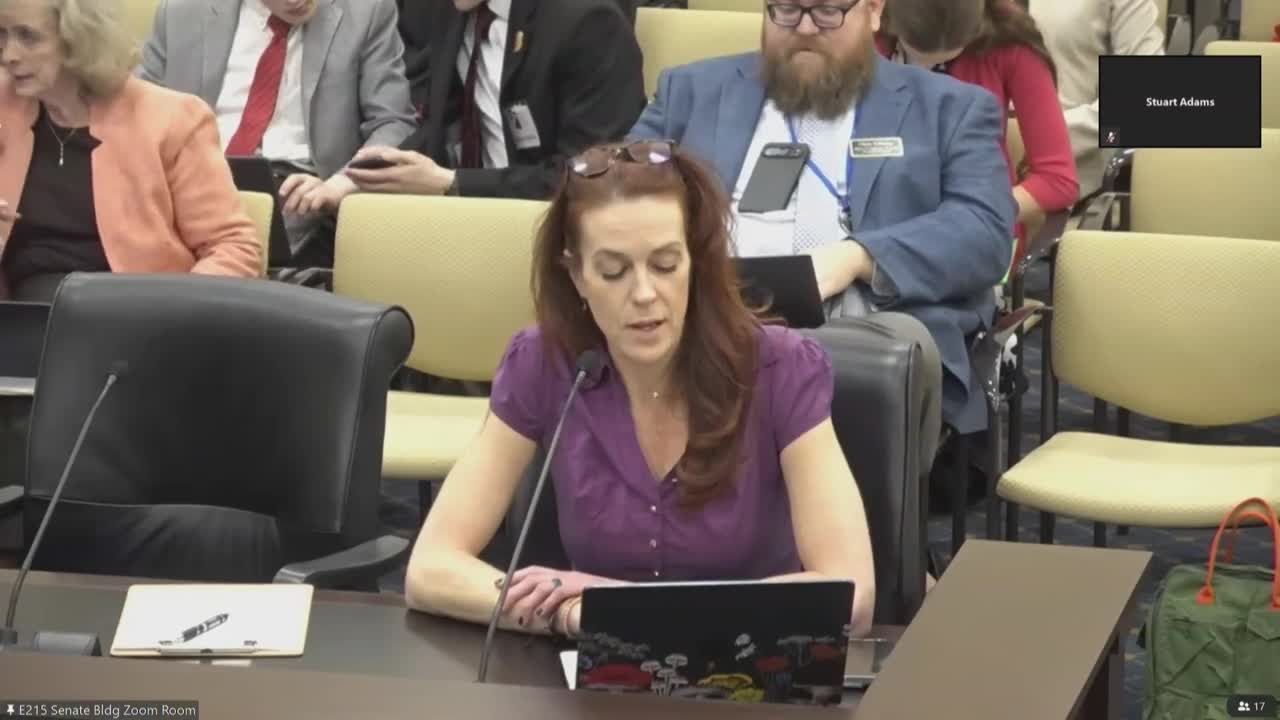
The committee approved moving the bill to the fourth substitute. Dozens of members of the public then testified for and against the measure. Supporters—operators, patients and industry representatives—said the bill would improve transparency and patient access in a complex market. Opponents raised public-health concerns about youth access and high-THC products and urged stricter limits on product potency and advertising.
Several members asked for more time and for broader participation from stakeholders including law enforcement and medical groups. After discussion, the committee voted on a separate procedural motion to move to the next agenda item rather than take final action on HB 203; the motion to proceed passed on a recorded vote (ayes: Escamilla, Plumb, Stevenson, Thatcher, Adams; nays: Stratton, Grover). The sponsor said stakeholders had been working on compromises for months and expressed frustration that further opposition remained.
Because the committee did not take a final up-or-down vote on the fourth substitute, HB 203’s next steps remain uncertain; the sponsor signaled willingness to continue stakeholder work but did not secure final committee approval that day.