Get Full Government Meeting Transcripts, Videos, & Alerts Forever!
Burke County directs opioid-settlement work toward evidence-based 'Option A' strategies, approves capital grant partnership and advisory panel
Summary
Burke County commissioners on Feb. 14 prioritized evidence-based "Option A" uses of the state’s opioid settlement funds, approved direction to Partners Behavioral Health to develop a state-funded capital project, and created a three‑year director post to coordinate local opioid-settlement work.
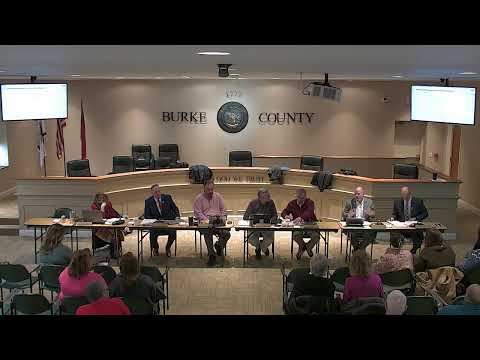
Burke County commissioners on Feb. 14 held a recessed meeting focused on local use of national opioid-settlement funds, heard statewide technical assistance guidance and local strategic planning updates, and approved near-term actions including a three-year director position, formal direction to a behavioral-health partner to pursue a capital project using state grant funds, and formation of an 11-member opioid advisory committee.
County Manager Brian Eppley framed the session by outlining the scale and structure of Burke County's award and the settlement framework. Eppley said the county’s baseline award is roughly $24.5 million, paid over 18 years, and that the county must spend funds consistent with the North Carolina memorandum of agreement (the NCMOA), which distinguishes a shorter approved list of “Option A” activities and a larger, unlockable “Option B” list that requires a formal collaborative planning process.
Nitty Sachdeva, director of the opioid-settlement technical assistance team at the North Carolina Association of County Commissioners, told the board the state’s approach emphasizes transparency and locally driven planning. “The opioid settlement technical assistance team or OSTAT…is really here just to help local governments understand kind of what’s what,” Sachdeva said, describing the state dashboard and reporting requirements and urging counties to use the Exhibit A “Option A” list of 12 evidence-based strategies as a starting point.
Nut graf: Why it matters — Burke County has been identified among North Carolina counties with significant opioid-related prescribing and overdose history and has already begun local programs; commissioners must now decide how to convert one-time and multiyear settlement receipts into sustainable services, capital capacity and reporting that meet state MOA rules.
Most important details first: the board voted to fund an on-staff county director to lead opioid-settlement implementation and coordination for three years…
Already have an account? Log in
Subscribe to keep reading
Unlock the rest of this article — and every article on Citizen Portal.
- Unlimited articles
- AI-powered breakdowns of topics, speakers, decisions, and budgets
- Instant alerts when your location has a new meeting
- Follow topics and more locations
- 1,000 AI Insights / month, plus AI Chat