Get Full Government Meeting Transcripts, Videos, & Alerts Forever!
Get email alerts on the Professional Licensing topic
No spam. Unsubscribe anytime.
Senate committee approves bill letting engineering graduates sit for PE exam earlier
Summary
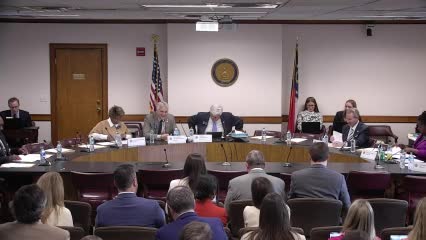
The Senate Regulated Industries and Utilities Committee on Feb. 14, 2025, unanimously approved Senate Bill 125 to allow candidates to take the professional engineering exam immediately after completing academic training while preserving the field-experience requirement for licensure.
Senator Walker presented Senate Bill 125 to the Senate Regulated Industries and Utilities Committee on Feb. 14, 2025, and the panel voted unanimously to pass the measure.
The bill would “decouple” the professional engineering (PE) exam from the completion of required field experience, allowing engineering graduates to attempt the PE exam soon after finishing their academic coursework while leaving the existing field-experience requirement in place before issuance of a license. Senator Walker said the change responds to industry concerns that the exam has become academic in nature and that permitting earlier testing could improve pass rates and help address a statewide shortage of licensed engineers.
The measure does not alter the amount or character of field experience applicants must complete before receiving a professional license, Senator Walker said. Christy Torello, Director of Government Affairs for ACEC Georgia, told the committee the association strongly supports the bill and argued earlier testing would help retain engineers and improve passage rates by allowing the exam to be taken while coursework is still fresh.
Committee discussion was brief. Senator Albers moved to pass the bill; Senator Sims seconded. No amendments were offered. The committee chair called for a voice/hand vote and the measure passed unanimously; the transcript does not record a numeric roll-call tally.
The bill now moves to the next steps required under Senate procedure.