Get Full Government Meeting Transcripts, Videos, & Alerts Forever!
Get email alerts on the Sober Living Regulation topic
No spam. Unsubscribe anytime.
Committee advances sober-living oversight bill after strong testimony from operators and residents
Summary
The Senate Budget and Appropriations Committee favorably released Senate Bill 29-52 on Feb. 3, a measure to apply rooming-and-boarding oversight to cooperative sober living residences, after testimony from operators and residents urging revisions to avoid unintended harm to peer-run homes.
The Senate Budget and Appropriations Committee on Feb. 3 favorably released Senate Bill 29-52, which would include cooperative sober living residences under amendments to the Rooming and Boarding House Act and provide Department of Community Affairs oversight. Committee members and witnesses said the bill responds to documented problems with some operators but also raised objections that the legislation, as drafted, could unintentionally force peer-run recovery homes to close.
Multiple sober-living operators and advocates testified that the bill's definitions and operational requirements — including a requirement for live-in, qualified staff and public listing of sober-living addresses — could undermine Oxford-house and peer-run level-1 recovery residences that operate without paid live-in supervisors. Robert Gaudati, chair of the Garden State Alliance of Recovery Residents, said the bill "will unintentionally cause harm to those it seeks to protect" because Oxford-model homes are not rooming-and-boarding houses and rely on peer governance and shared member expenses.
Sue Harrison, an advocate whose brother died of an overdose, told the committee that sober-living homes provide vital transitional support but warned that requiring DCA-set qualifications for live-in supervisors and mandatory public listing of addresses could discourage residents and jeopardize operations. Several operators said twice-yearly unannounced inspections and a live-in staff mandate would create cost and privacy issues and could reduce available beds for people leaving treatment.
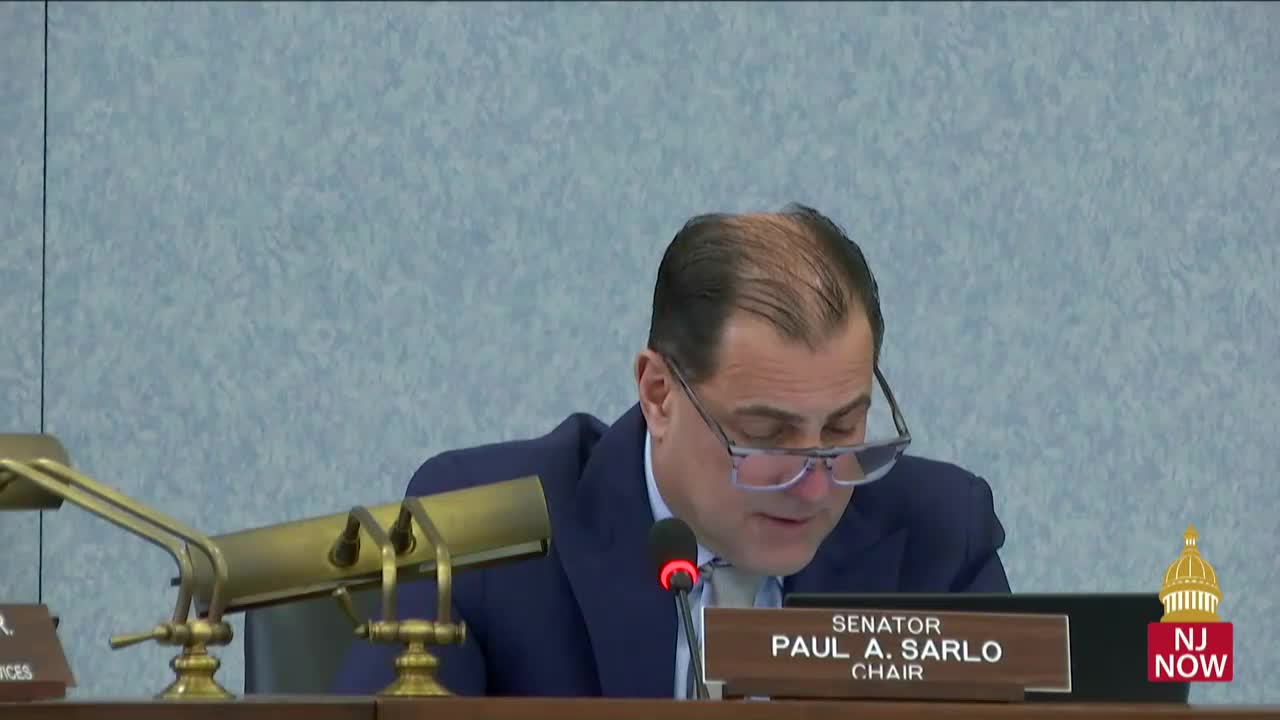
Committee members thanked witnesses and expressed concern that the bill, although intended to address "bad actors" identified in the New Jersey State Commission of Investigation report, might go too far and reduce capacity. Several senators said the testimony persuaded them to press sponsors for revisions. Chair Sarlo said he had discussed the bill's origin — including recommendations from the February 2024 investigative report — and noted the intent to protect residents and communities; he nevertheless moved the bill out of committee so sponsors could continue stakeholder engagement and file amendments.
Senators cast roll-call votes to favorably release SB 29-52, first reprint; several members said they would seek floor amendments before final passage. The committee encouraged sponsors and stakeholders to meet and refine the bill's definitions and operational requirements to avoid unintended consequences for peer-run recovery housing.