Get Full Government Meeting Transcripts, Videos, & Alerts Forever!
Get email alerts on the Conservation Appraisal Regs topic
No spam. Unsubscribe anytime.
Committee backs rule to formalize State Conservation Bank appraisal procurement policy
Summary
A legislative committee voted to forward a proposed regulation that codifies the State Conservation Bank’s internal appraisal procurement policy to the full committee with a recommendation to approve, after agency officials said the change simply implements an existing practice and responds to an attorney general review.
A South Carolina legislative committee voted to send a proposed regulation formalizing appraisal procurement procedures used by the State Conservation Bank to the full committee with a recommendation that it be approved.
The rule codifies the bank’s existing internal policy requiring appraisal practices that ensure the agency does not pay more than fair market value, Raleigh West, director of the State Conservation Bank, said. The agency sought the formal regulation after outside counsel and the attorney general’s office advised that the bank’s statutory language required promulgated regulations rather than an internal policy.
West said the agency’s primary mission is to fund third-party real-estate transactions that produce conservation outcomes and that the proposed regulation mirrors how the bank already operates. “Historically, we have had an internal policy regarding appraisals, whereby we ensure that we are never paying more than fair market value as instructed by our statute,” West said. He described a vetted list of appraisers the bank uses and said outside counsel flagged the need to convert that policy into a formal regulation.
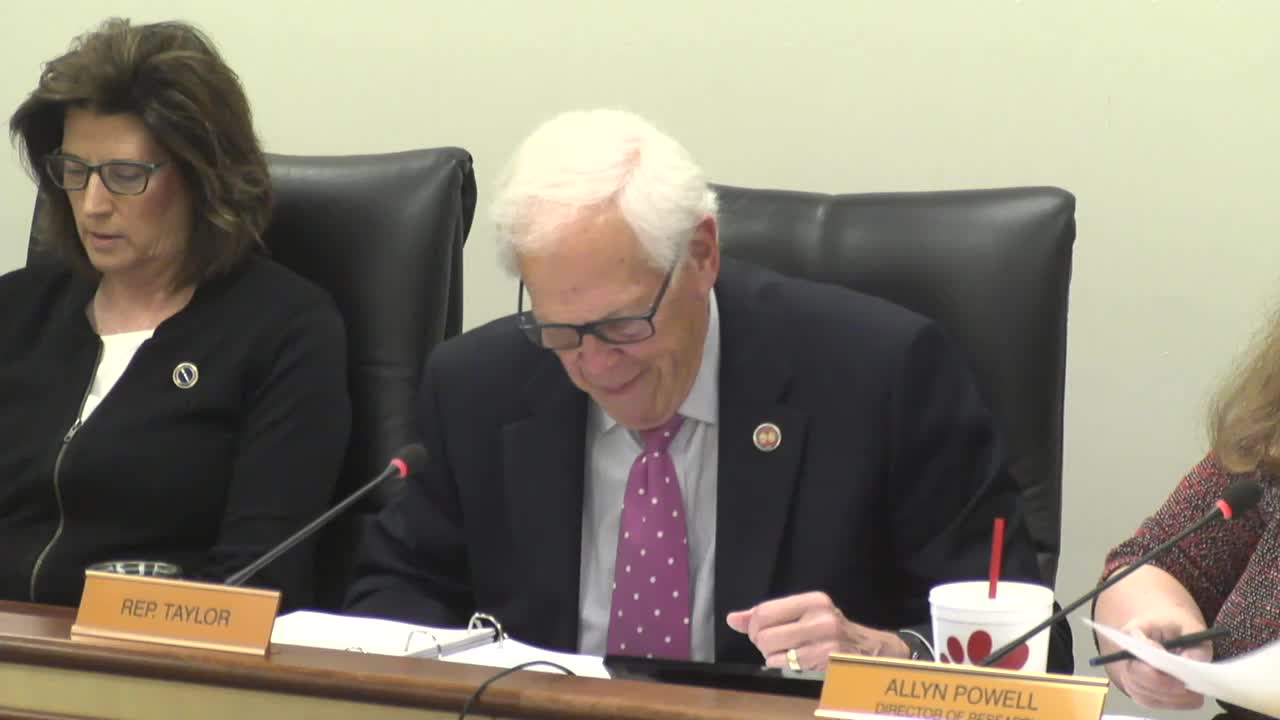
Committee members asked whether outside parties had raised concerns; Chairman Bill Taylor noted there had been no external issues and the panel moved quickly to approve forwarding the regulation. The motion to send the regulation to the full committee passed on a voice vote with members saying “Aye.”
The committee recorded no amendments and offered no further direction to staff. The agency said the change was internally driven to ensure compliance with statutory obligations rather than to address any specific dispute.