Get Full Government Meeting Transcripts, Videos, & Alerts Forever!
Get email alerts on the Environment And Land Use topic
No spam. Unsubscribe anytime.
Resident urges Scott County to oppose Great Crossing dam removal; judge cites public-safety and liability concerns
Summary
A member of the public urged the court to contact state officials to halt plans to remove the Great Crossing dam, arguing the structure supports local agrarian activity. Judge Joe Covington said the county cannot support purchasing the dam because of liability and safety issues.
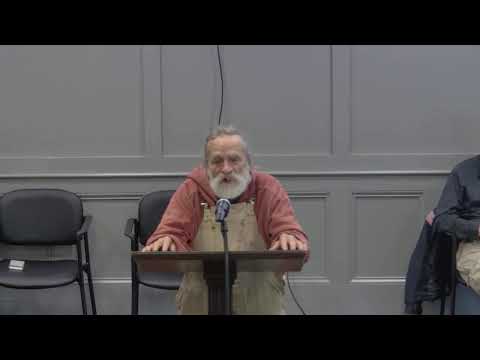
A resident urged the Scott County Fiscal Court on Feb. 14 to oppose plans to remove the Great Crossing dam, saying the structure historically supported local milling and could be important if the county experiences an agrarian revival.
Mister Price told the court he had submitted a longer letter to Judge Joe Covington and asked the county to contact Department of Fish and Wildlife engineer Kevin Rexrovet (name in meeting spelled several ways on the record) and the Kentucky Division of Water to request that the agencies not demolish the dam. “If people get a revival of horticulture, an agrarian revival here in Scott County…they’re gonna be raising grain. And they’re gonna need a place to grind the grain,” Price said during the public-comment period.
Judge Joe Covington responded in the subsequent discussion about the Great Crossing dam and related Fish and Wildlife plans, saying the county has safety concerns tied to rescue operations and liability if it owned or retained the dam. “I cannot support buying such a liability,” Covington said. He noted the county previously applied for a FEMA Hazard Mitigation Grant to install a rock ramp below the dam to reduce drowning risk; that application was unsuccessful.
Covington also described conversations with Fish and Wildlife about downstream and upstream impacts, including questions about how moving an irrigation intake used by a local neighborhood (Cainwood HOA) would be handled. He said Fish and Wildlife representatives have told county staff that relocating an intake would reduce the risk of water shortages for the neighborhood during low flows.
The resident’s public comment and the judge’s response did not produce a court motion or a formal vote. Court members said they had engaged with Fish and Wildlife and the Division of Water via letters and site visits and would continue to monitor the federal and state review process.
Ending
No formal action was taken at the Feb. 14 meeting. County officials said they will continue correspondence with state agencies and that Fish and Wildlife’s planned schedule for the dam project remains controlled by the state and federal review process. Members urged residents with concerns to contact the relevant state agencies.