Get Full Government Meeting Transcripts, Videos, & Alerts Forever!
Get email alerts on the Education Equity topic
No spam. Unsubscribe anytime.
Silas High students say Black History Month feels 'temporary,' recount slurs and limited representation in textbooks
Summary
Three students from Silas High School's Black Student Union said Black History Month often feels short-lived, described encountering racial slurs in school hallways and said history curriculum lacks positive representation of Black people.
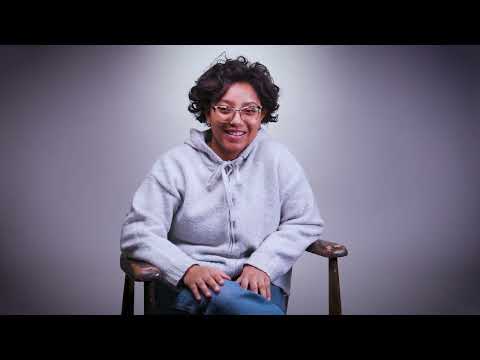
In recorded remarks, three students from Silas High School's Black Student Union said Black History Month often feels like a brief celebration and recounted experiencing racial slurs and limited representation of Black people in classroom materials.
Versailles, a senior and president of the Black Student Union at Silas High School, said Black History Month can feel like "a little birthday the next day, and then no more candles, no more celebrating." She added that she reflects "on how far we came" and on opportunities she attributes to earlier generations' efforts.
Jocelyn, a sophomore and vice president of the Black Student Union, said she does not see many people who look like her in history books and that, when they do appear, the coverage often focuses on "negative traumatic experiences." She said that classroom instruction can be difficult to get through as a result.
Two students described direct harassment in school hallways. Versailles said, "someone in the hallway will call me monkey or, like, just using, like, slurs," and added she wants to be able to "walk like, normally" without hearing derogatory language. Another student said such comments are "degrading" and compared them to being treated like "an animal."
Lavelle, a senior and member of the Black Student Union, urged younger students not to change themselves to fit others' expectations and said, "be you. Don't change because how other people see you. Just be yourself and try to inspire others." Students also described the BSU as a community where members "understand each other" and learn "to not judge."
The transcript supplied contains only these student remarks; it does not include any formal response from school officials or any recorded motions or instructions arising from the comments.
The students' remarks raise concerns about school climate and curriculum representation articulated by enrolled students rather than school staff or officials. The transcript does not specify requests for particular policy changes or next steps.