Get Full Government Meeting Transcripts, Videos, & Alerts Forever!
Get email alerts on the Immigrant Integration And Services topic
No spam. Unsubscribe anytime.
Ohio African Immigrants Commission asks for fuller funding to expand staff, launch resource directory and pilot classroom supports
Summary
Ibrahim Aso, inaugural executive director of the Ohio African Immigrants Commission, told lawmakers the commission seeks additional operating funds to hire staff, build a social mobility resource directory reaching 30,000 people across 15 counties, and pilot a Classroom Connections program to improve outcomes for limited‑English students.
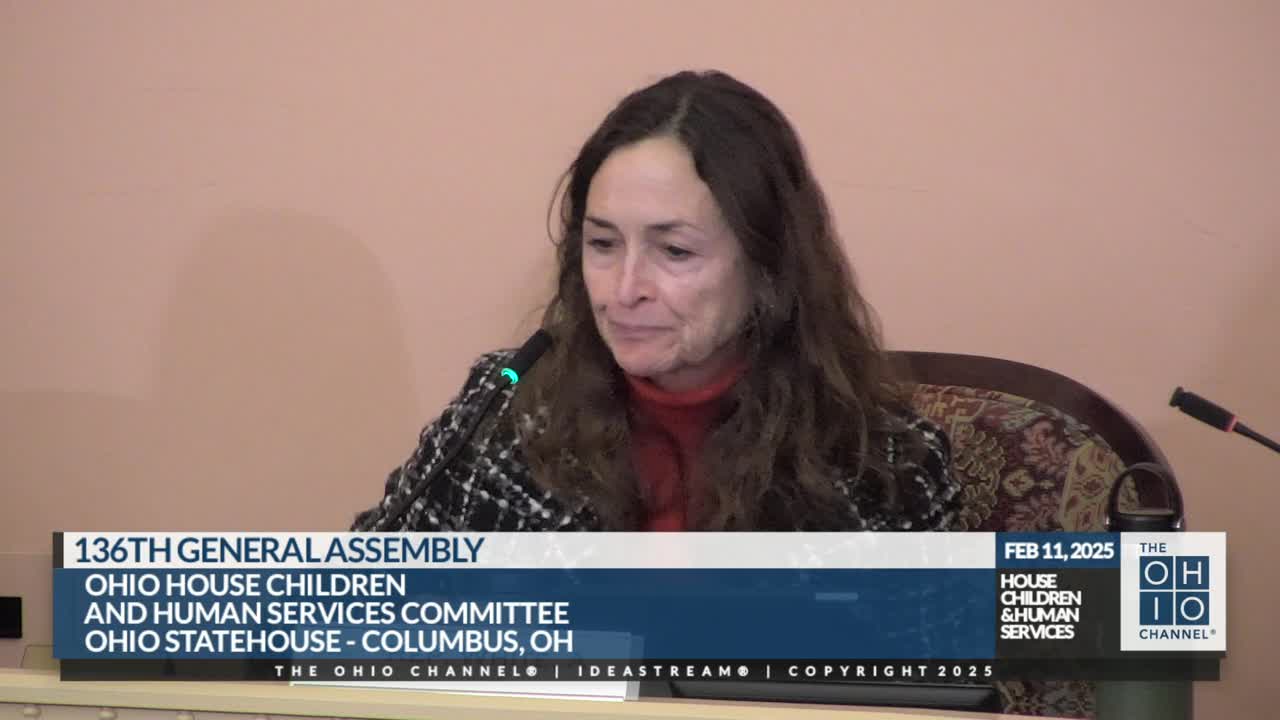
Ibrahim Aso, inaugural executive director of the Ohio African Immigrants Commission, asked a legislative committee for fuller funding and staff to expand the commission’s work connecting Sub‑Saharan African immigrant communities to services and to run pilots designed to improve education and workforce outcomes.
Aso told members the commission was created by the 127th General Assembly but remained largely unfunded and dormant for years; volunteer commissioners and ad hoc work resumed in recent sessions. He said the commission received $250,000 across two years in the last biennium but that those funds were partly spent or “lost” navigating start‑up challenges, leaving limited operating capacity. Aso said the commission intends to move from volunteer work to a staffed office that can provide consistent constituent services and program administration.
He outlined three principal initiatives: a social mobility resource directory designed to connect roughly 30,000 Ohioans in 15 counties to existing services; Calabash forums (community workshops) that gather qualitative data and produce recommendations for state agencies and the governor; and a Classroom Connections mobile program that would deliver resources and training to educators serving limited‑English students. He said the Classroom Connections pilot would be launched and piloted before the end of the school year with pre/post surveys to evaluate outcomes.
Aso described prior work the commission has done without sustained funding: constituent services after the commission reconstituted, and a PPE distribution during the COVID period that delivered equipment to about 6,100 child care centers and small businesses. He said the commission has already held listening sessions and plans additional listening sessions across counties to collect anecdotal and qualitative data to guide pilots and recommendations.
Committee members pressed for operational detail and asked how the commission will scale with additional staff. Representative Russo noted the budget request in the governor’s proposal and queried how two requested staff positions fit within the funding level shown in the red book; Aso acknowledged OBM submitted a baseline request before his appointment and said the amount currently in the red book does not meet the commission’s stated goals. Legislators also asked for follow‑up data: Representative Clark asked for current counts and a plan for growth to the 30,000 target; Representative Fellwar suggested partnering with career‑technical centers and education service centers for adult English instruction; Representative Brownlee asked about school feedback on the commission’s proposals; Aso said conference engagements (TESOL) and district conversations informed the Classroom Connections idea.
Aso closed by asking the committee to consider the commission’s statutory role in advising and connecting agencies and to support adequate funding so the commission can meet statute mandates, run pilots, and serve as a sustained gateway for African immigrant communities to state resources.