Get Full Government Meeting Transcripts, Videos, & Alerts Forever!
Get email alerts on the Workforce Certification topic
No spam. Unsubscribe anytime.
Chemical dependency board seeks funds to take over peer‑support certifications, expand licensing capacity
Summary
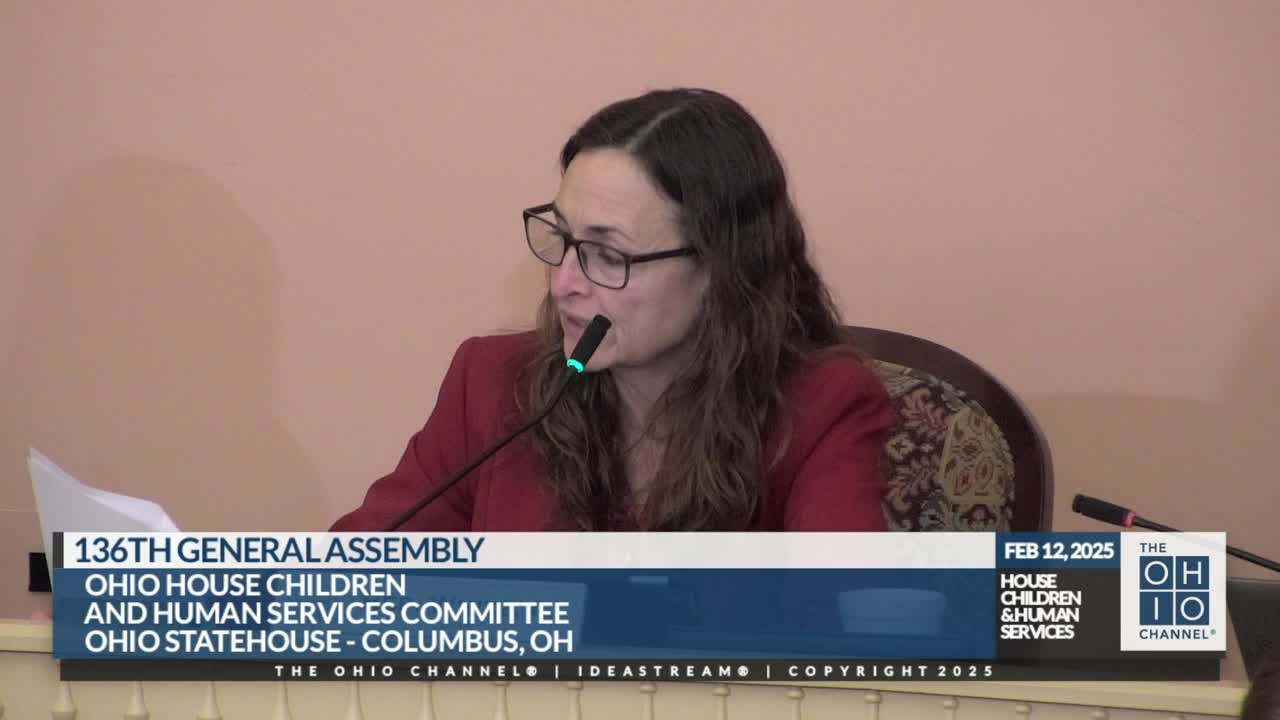
Jill Smock, executive director of the Chemical Dependency Professionals Board, asked the committee to fund the board’s transition to administer three peer‑support certifications and to support modest operating increases for certification and enforcement work.
Jill Smock, executive director of the Chemical Dependency Professionals Board, testified that the board plans to assume certification for adult, family and youth certified peer supporters from the Department of Mental Health and Addiction Services and asked the committee to support increased operating appropriations to cover the transition and ongoing administration.
"As a licensing board, CDP has an established infrastructure and the experience in managing and administering multiple certifications, licenses, and endorsements," Smock said. The board, which currently licenses more than 14,600 active substance use disorder treatment and prevention professionals, requested $1,630,000 for fiscal year 2026 and $1,000,517 for fiscal year 2027 to cover personnel expenses, hearings, licensing operations and the peer certification transition. Smock said the board is fee‑based and does not receive general revenue funds.
Smock also described proposed changes to board composition to ensure representation for key certifications and provider types (adding seats for chemical dependency counselor assistants and peer supporters, and replacing a physician seat with a mental‑health provider representative). She said current terms are staggered and that the board would implement changes without disrupting ongoing governance.
Committee members asked how the change would affect enforcement, public protection and professional development; Smock said moving peer certification under a licensing board would professionalize the field, enable ethics enforcement and better support career pathways and technical assistance for the workforce. No vote or formal action occurred during the informal hearing.
Ending: The committee thanked the director and closed the informal hearing; the board’s funding request and statutory changes will be part of the committee’s budget record and follow‑up work.