Get Full Government Meeting Transcripts, Videos, & Alerts Forever!
Get email alerts on the 2025 Action Plan Review topic
No spam. Unsubscribe anytime.
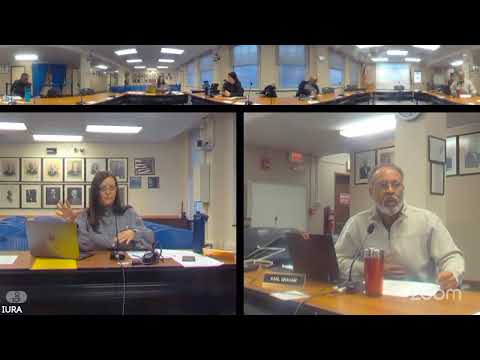
Ithaca URA committee opens review of 2025 Action Plan; flags possible zero HUD funding and probes major housing and job-training proposals
Summary
The Ithaca Urban Renewal Agency Neighborhood Investment Committee opened review of 22 applications for the 2025 Action Plan, flagged the possibility of receiving no HUD funding, and questioned several major housing and economic‑development proposals.
The Ithaca Urban Renewal Agency Neighborhood Investment Committee opened its review of 22 applications for the 2025 Action Plan, including Community Development Block Grant (CDBG) and HOME requests, and signaled plans to expand contingency planning after staff warned of the “distinct possibility” the city could receive zero HUD funding this year.
Staff told the committee the preliminary funding picture includes an anticipated HUD CDBG allocation of about $662,000 and estimated CDBG program income of approximately $170,000, producing roughly $806,000 available for CDBG‑eligible activities; HOME program income returning from prior projects was discussed at about $12,000 with an anticipated HOME award of roughly $244,000. Staff said these figures will be used for initial planning but emphasized the committee must prepare contingency resolutions for outcomes ranging from full awards to no HUD funds.
Committee members then reviewed individual housing and economic‑development proposals and asked applicants for specific clarifications to include in applicant presentations or the public hearing. Major discussion points included:
INHS senior housing and daycare (209 West State/Geneva block): Staff and committee members discussed whether the proposed acquisition request covered a city‑owned parking lot or a privately owned building. Staff said the county had preliminarily approved transferring a city parcel to the IRA and that INHS has an option agreement for the privately owned parcel; the city parcel’s fair market estimate was discussed in the $370,000–$375,000 range. Members pressed on how acquisition price, parking design, daycare space, and unit mix would affect feasibility. Staff noted the project would include senior apartments (roughly mid‑30s units were referenced in discussion) and a daycare on the ground floor; members asked about parking demand versus placing a car‑free design and pointed out lack of required municipal parking for downtown senior housing. The committee also probed rent levels and utility allowances; staff pointed to examples in the application showing 50% AMI rent at about $900 per month and a utilities allowance of roughly $67 per month (the application notes utilities are included in its stated rents).
Habitat for Humanity (West Court Street lot): Committee members clarified that Habitat typically advances a project only once it has an identified homebuyer (due to sweat‑equity requirements). Members asked whether the applicant already has a selected buyer for the specific lot, how homeownership vouchers (Section 8 homeownership) might apply, and how floodplain location and flood insurance obligations would be addressed. Staff said the project anticipates elevated foundation design to reduce flood risk and advised committee members to ask Habitat for specifics on insurance and mortgage feasibility for low‑income buyers.
Black Hands Universal (614/612 project): Committee members raised multiple concerns about scope and readiness. The application’s narrative and budget had inconsistent figures (requested amounts differ between summary and budget), the site description and whether 612 and 614 would be combined was unclear, and the applicant’s nonprofit status was flagged: the group holds a New York state not‑for‑profit certificate but did not list a federal 501(c)(3) designation in the application. Staff and members asked whether the applicant has third‑party cost estimates, asbestos/lead hazard remediation plans for older buildings, floodplain mitigation, property‑tax implications if a nonprofit is not the acquiring entity, and whether there are identified partners or financing beyond the IRA request. Members did not express strong support pending clarification.
Job training and economic development: Committee members reviewed three economic development proposals and pressed for up‑to‑date placement data and clearer budget breakdowns. Finger Lakes ReUse’s job‑skills training was queried about placements and whether cited hires were illustrative examples or complete counts; committee members observed that some budgets emphasize stipends while summaries appear to reference staff wages and asked staff to reconcile those entries. GIAC’s hospitality program prompted discussion about local labor market demand (seasonality, short‑term rental impacts on hotel occupancy, and other hospitality employers such as Cornell Dining) and whether the program has adapted to broader service‑sector placements beyond hotels. Work Reserve (job placement) and similar programs were described as intensive and case‑managed; members signaled support but asked for clarified outcome and vouchering records.
Procedural items and next steps: staff said they will send applicants committee questions ahead of the public hearing and that the committee will hold a public hearing (noted on staff’s calendar) and at least two further meetings to deliberate funding levels. Members were asked to prepare for a longer meeting at the next session; staff reiterated that allocation decisions will be contingent on the final HUD award and might require a range of contingency resolutions depending on whether funding is reduced, unchanged, or zero.
The committee did not take final funding votes at this meeting; it requested clarifications and documentation from multiple applicants, and planned to continue deliberations and public hearings before forwarding final recommendations to IRA board and council bodies.