Get Full Government Meeting Transcripts, Videos, & Alerts Forever!
Get email alerts on the Municipal Finance topic
No spam. Unsubscribe anytime.
Finance director flags rising sludge-removal costs; wastewater budget may need adjustment
Summary
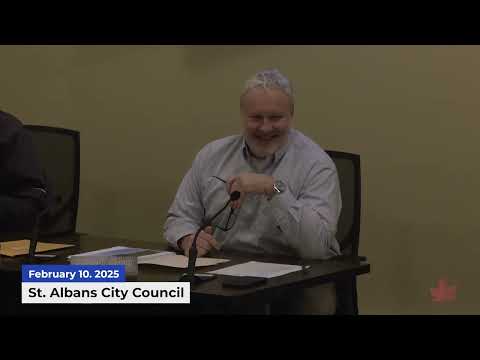
Sarah, the city finance staff member, reported the wastewater fund is approaching its sludge-removal budget line — she said the city has paid about $211,000 on a $250,000 sludge-removal budget through December — and cautioned the council that hauling and disposal costs have risen and may require budget increases for the coming year.
Sarah (city finance staff) presented the council with the city’s second-quarter financial report and highlighted enterprise-fund pressures, especially wastewater sludge-removal costs.
In the report, Sarah said general-fund revenues were at about 54% of budget halfway through the year and highlighted the theater and parking program as strong performers. On the water side, she said capital projects and pump rehabs will begin in the spring following kickoff with the state and engineers.
On the wastewater side, Sarah told councilors the city had paid approximately $211,000 on sludge-removal costs against a $250,000 annual budget through the December reporting period. She and staff have met internally to investigate causes. Sarah said the cost increases appear to be driven by higher trucking and disposal fees and limited regional capacity to accept sludge. The council discussed the operational impacts: when the city’s centrifuge is down, the city must bring in mobile equipment or haul more solids off-site, incurring higher per-load costs.
Councilors asked where the city currently disposes of sludge; staff said much of the material goes to a landfill in Franklin County, New York, and that processing capacity in Vermont is limited. Sarah told the council the city budgets sludge removal based on recent trends and that the line-item had "gotten away from us" in recent years; she said the wastewater fund will likely need a higher budget for sludge removal to reflect market realities and PFAS-related constraints.
Council members recommended staff follow up with operations staff (Marty or the wastewater superintendent) to bring more technical detail back to a future meeting so the council can consider budget adjustments. Sarah said the water fund’s capital contractors (e.g., turbidity meters, filter valves and pump rehabs) will ramp up in spring and staff will monitor enterprise expenditures closely.
No formal vote was taken on budget changes at the meeting; staff will return with detailed options if the wastewater fund requires a midyear amendment.