Get Full Government Meeting Transcripts, Videos, & Alerts Forever!
Get email alerts on the Ethics Governance topic
No spam. Unsubscribe anytime.
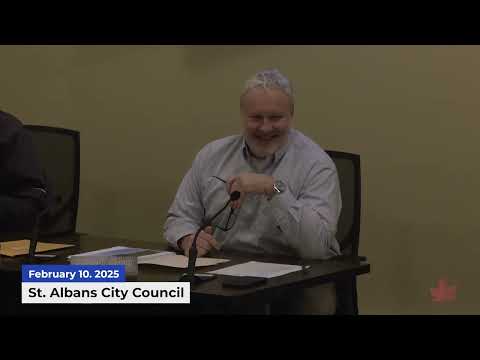
Council debates statewide municipal ethics enforcement procedure; action tabled for revisions
Summary
Councilors discussed a required municipal enforcement procedure implementing Act 171 (statewide municipal code of ethics). Some members objected to language allowing public admonishment of elected officials; the council moved to table final adoption pending edits.
City staff reviewed the statewide municipal code of ethics (Act 171) and presented a proposed investigation and enforcement procedure the city must adopt to meet the state requirement. The ordinance-level code of ethics is a state mandate; Act 171 requires municipalities to post the code, provide training and adopt a local policy for handling complaints.
Staff (Sarah) summarized the key duties: post the statewide municipal code of ethics, publish a complaint form and whistleblower protections, and adopt a local enforcement procedure that explains how complaints will be investigated and what sanctions or remedies the council may apply. Sarah said the training requirement for sitting municipal board members must be met by September and that the Judicial/State ethics commission has no jurisdiction to enforce local complaints directly; the commission can investigate statewide complaints but would not adjudicate local ones.
Council discussion focused on the enforcement options the model policy provided for elected officials. The draft enforcement procedure allowed several escalating steps if an elected officer’s ethics violation was substantiated: private meeting with the mayor, private council admonishment in executive session, public admonishment in open meeting with the admonishment recorded in the minutes, or a majority-vote request (but not order) that the offending officer resign. One councilor said they did not think open-meeting admonishment was appropriate.
Councilor Tim (last name not specified) and others expressed concern that the model language gave the council the option to admonish an officer in open session; Tim suggested removing that option. There was also concern about the statewide training requirement lacking enforcement teeth; staff confirmed the statute contains no specified penalties for refusing required training but that refusal would be noted if an ethics complaint later arose.
After discussion, a councilor moved to table the adoption of the enforcement procedure to allow revision (motion to table was seconded). The council agreed to bring a revised draft back to a future meeting removing or clarifying the option for public admonishment and to further define processes for appointed and elected officers.