Get Full Government Meeting Transcripts, Videos, & Alerts Forever!
Get email alerts on the Local Budget topic
No spam. Unsubscribe anytime.
Niagara Falls presents second budget draft; district plans $915,000 reserve use and leaves summer elementary program out
Summary
District leaders presented the second 2025–26 budget iteration, proposing $915,000 from debt premium reserves to lower the gap to $3.2 million, and noted two summer programs previously covered by ARP funds are not yet funded in the draft.
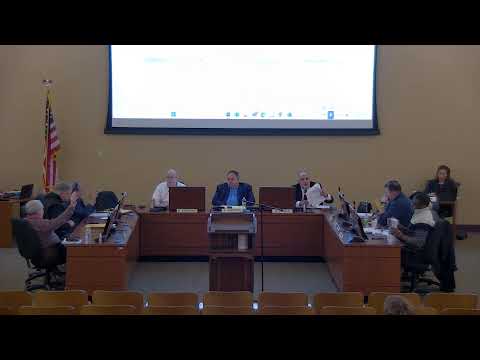
District leaders presented a second iteration of the 2025–26 budget at the Feb. 13 Board of Education work session and told board members they plan to use $915,000 from debt‑service reserve premiums to reduce the budget gap to about $3.2 million.
Julie (district finance staff) and Superintendent Mark Lohrey explained the $915,000 comes from bond premium reserves tied to a 2016 project and a bond anticipation note in 2024; the district plans to draw the amount over the next three years as required. Lohrey said the district expects about $198,890,787 in revenue under current assumptions and that Foundation Aid from the state is currently estimated at $7 million but could increase when the legislature acts.
Why it matters: the presentation detailed items included in the draft and noted several important costs that are not included. Most notably, two summer programs that were previously funded with American Rescue Plan (ARP) money — an elementary summer program and a Camp Wolverine program for exceptional learners — are not in this budget and would add roughly $303,000 if restored. Lohrey said the district must re‑design those programs to improve attendance and return‑on‑investment because registration numbers have not translated into steady attendance in prior years.
Other budget details and changes: Julie said BOCES tuition estimates fell from an earlier 12% estimate to a final 10% increase, producing some savings. The district also plans to use some federal grant carryover (federal reserve funds) to protect program continuity amid national policy uncertainty. Lohrey told the board he is monitoring proposals in Washington to change the federal Department of Education’s role; he said the district receives approximately $6 million in Title funds, $2.3 million in Head Start funds and $2 million in special education entitlements that could be affected by federal changes, and he called the possibility financially significant.
Board concerns and next steps: board members asked about summer attendance patterns, potential partnerships to avoid schedule conflicts with community programs, and whether the district had surveyed families; administrators said prior surveys showed competing summer activities as a key reason for sporadic attendance. Lohrey said staff will return with proposals and costs and that the board will receive updated budget materials on Feb. 27, including the tax‑cap calculation and a formal recommendation.
Ending: administrators emphasized the presentation was the second of seven planned iterations and that a number of policy‑level items — including potential liabilities under the Child Victims Act and decisions about summer program design — remain unsettled and will be refined in later drafts.