Get Full Government Meeting Transcripts, Videos, & Alerts Forever!
Get email alerts on the Tribal Colleges topic
No spam. Unsubscribe anytime.
Red Lake Nation College cites rising graduation rates, highlights Minneapolis campus and state support
Summary
At a House Higher Education Finance and Policy Committee hearing, Red Lake Nation College President Dan King described enrollment and graduation gains, the college's Minneapolis site and how state and tribal funding support student services and debt-free two-year attendance.
Chief Dan King, president of Red Lake Nation College, told the House Higher Education Finance and Policy Committee on behalf of his college that its three-year graduation rate has climbed to about 53 percent and that enrollment has grown rapidly in recent years.
King spoke to the committee about the college's mission, student supports and the Minneapolis campus during a presentation on operations and maintenance funding for tribal colleges. He said the state provided a $1 million annual operational appropriation for each tribal college in the 2023-25 biennium and that the state also contributed a $3 million bonding allocation to help finish the Minneapolis facility.
The presentation emphasized access and wraparound services. "We build people up," King said, adding that Red Lake Nation College focuses on small classes, one-on-one attention and cultural programming that the college describes as its "secret sauce." King said 70 percent of the college's staff and faculty are Native and that the college offers no student loans for the first two years, relying instead on tribal scholarships and emergency funds.
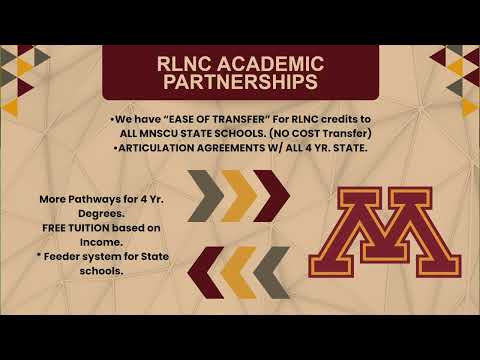
Student speakers described personal effects of that approach. Eddie Visner, a Red Lake student who returned to college after a long career in gaming, said, "Being at Red Lake College, I wouldn't want to be anywhere else." Student Alyssa Fisher Visner said the college's mandatory Ojibwe-language classes helped strengthen her cultural identity and that she will transfer to the University of Minnesota after graduation.
King told the committee the Minneapolis site was sited to serve the large Native population in the Twin Cities and to be accessible by transit. He said construction and furnishing costs for the Minneapolis site ultimately totaled about $16 million after pandemic-related cost increases; he said the tribe and college used a combination of tribal funds, college development funds and federal COVID relief monies to finance the project and that the state bond helped close a gap.
Committee members praised the college's outcomes and noted the state appropriation's role. Representative Keeler, who earlier helped secure the state operational funding, attended the presentation at the table and was thanked repeatedly by witnesses for her support.
The committee did not take formal action on the presentation; members invited the college to provide additional material and encouraged lawmakers to visit campus.
Ending: King invited committee members to visit the Red Lake campus or the Minneapolis site and to follow up with college staff for more information.