Get Full Government Meeting Transcripts, Videos, & Alerts Forever!
Get email alerts on the Civil Rights Youth Programs topic
No spam. Unsubscribe anytime.
Spokane equity leaders say civil-rights education and community support shape youth opportunities amid DEI backlash
Summary
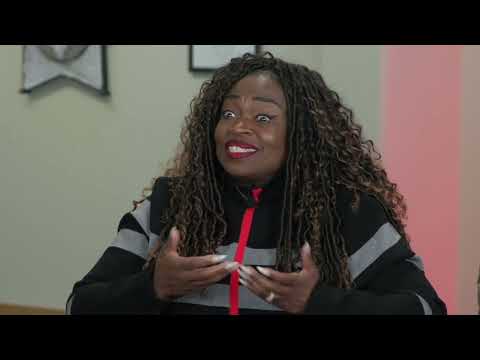
On an episode of the Spokane City Council's Equity Spotlight, Jarrell Haines, director of the City of Spokane's Office of Civil Rights, Equity and Inclusion, and Jamie Stacy, vice president of the Spokane NAACP and founder of Strong Women Achieving Greatness (SWAG), described how civil-rights laws shape opportunities for local youth and said community support sustains mentoring and outreach programs.
On an episode of the Spokane City Council's Equity Spotlight, Jarrell Haines, director of the City of Spokane's Office of Civil Rights, Equity and Inclusion, and Jamie Stacy, vice president of the Spokane NAACP and founder of Strong Women Achieving Greatness (SWAG), described how civil-rights laws shape opportunities for local youth and said community support sustains mentoring and outreach programs.
The conversation focused on how civil rights intersect with youth development and on recent backlash to diversity, equity and inclusion initiatives. "Diversity, equity, and inclusion impacts so many people besides just people of color or just women," Stacy said. "It makes room for those who have been historically left out." Haines said the backlash partly reflects misunderstanding: "When you engage people who might have a negative perception of DEI, you quickly realize that they may not have as deep of an understanding of what it really means," he said.
Stacy described SWAG, a Spokane-based mentoring program she founded in 2017, which she said has served about 1,000 participants. Stacy said SWAG teaches young women how to engage civilly and navigate college admissions changes following the end of affirmative action. "Can you still go to the college you want to go to? Absolutely," she said, adding that the path "may look different" and that the program supports participants through that journey.
Haines, who said the city's Office of Civil Rights, Equity and Inclusion was created about a year and a half ago, emphasized civic engagement education. "Helping our youth understand how to engage in the civil process and why it's important" protects rights such as access to free public education and the power to vote, he said.
Both guests described concrete outreach and wellbeing practices. Stacy outlined SWAG's self-care summit, held for several years, and a Valentine's Day "You Deserve Roses" event: this year, she said, 60 SWAG participants will receive roses and a box of chocolates with a note reading, "we accept the love we think we deserve." Haines described his daily engagement with students as a former educator and as the mayor's civil-rights official; he said mentorship and visible representation matter, recounting an email from a young man who wrote that seeing an adult who looked like him at his high-school graduation changed the day for him.
Both guests framed DEI as a corrective to systemic exclusion. Haines pointed to historical examples such as veterans' preference policies and civil-rights gains that expanded housing, voting and employment access: "Whenever progress happens, there's always a counter movement somewhere down the line," he said, arguing that current opposition is a backlash phase.
The guests also talked about motivation and sustainability in equity work. Stacy said her mother inspired her definition of strength and that community is essential for refilling energy: "Know who your community is, and be able to tap into that and get refilled on a regular basis," she said. Haines said community networks and lived experience help sustain long-term engagement.
No formal actions or policy changes were announced on the episode. The discussion highlighted ongoing local programs and civic-education goals rather than city decisions.
Stacy and Haines recommended community involvement and mentorship as key ways to protect gains in civil rights and to support youth navigating educational and civic systems.