Get Full Government Meeting Transcripts, Videos, & Alerts Forever!
Get email alerts on the Legal Ethics topic
No spam. Unsubscribe anytime.
Bill would bar disciplinary proceedings against certain public officials for acts while in office; critics call it unconstitutional
Summary
Senate Bill 49 seeks to prevent the Office of Disciplinary Counsel and judicial disciplinary processes from pursuing professional discipline against certain attorneys for actions taken while performing duties as a constitutional officer or legislator; bar associations and trial advocates opposed the measure in committee testimony.
Senate Bill 49 would prohibit judicial disciplinary bodies and the Office of Disciplinary Counsel (ODC) from bringing professional disciplinary proceedings against certain attorneys for acts taken while serving as constitutional officers or as members of the Legislature.
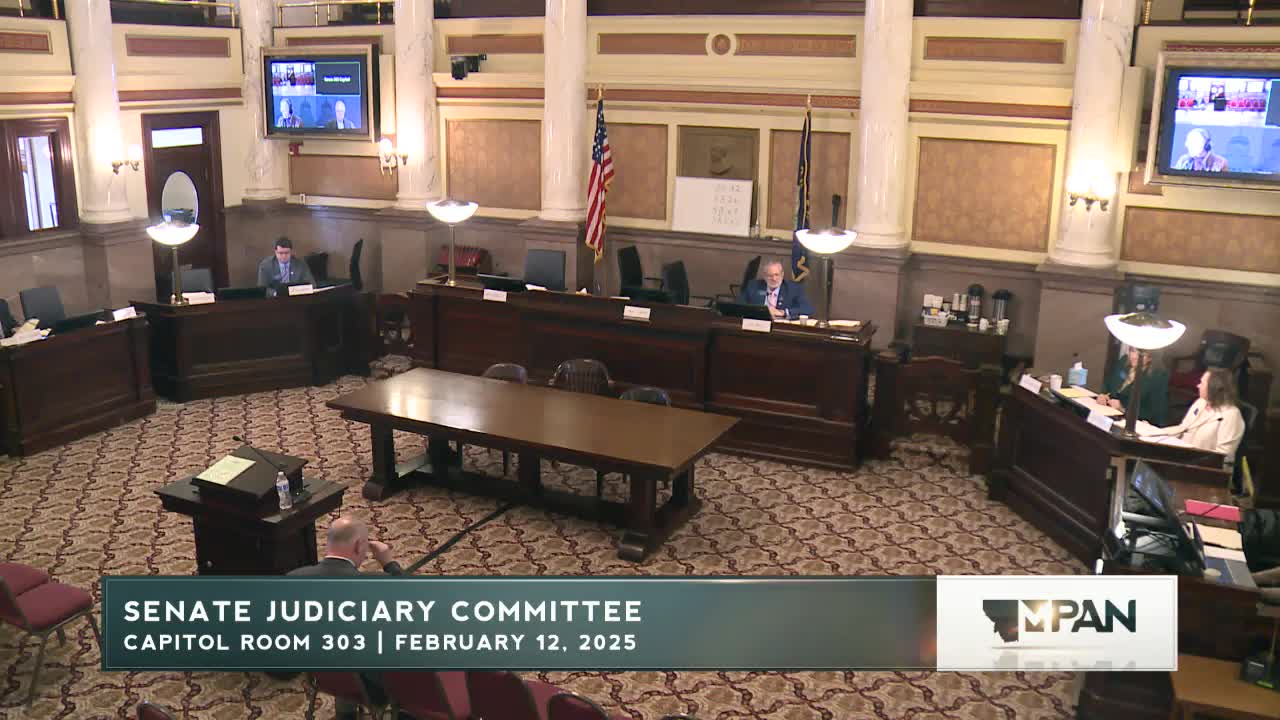
Senator Barry Usher, sponsor of SB 49, told the committee the bill's intent is to protect separation of powers by preventing the judiciary from disciplining elected officials—such as the governor, lieutenant governor, superintendent of public instruction, attorney general, state auditor or legislators—for actions taken in their official capacities. "That's what the bill is," Usher said during the hearing.
Opponents included Natasha Jones of the American Board of Trial Advocates, who said the rules of professional conduct "do not depend on time or place" and urged the committee to reject the bill. Former State Bar president Eric Nord and State Bar representative Bruce Spencer testified that professional rules apply equally to all attorneys and that exempting elected officials from discipline would undermine ethics and could be unconstitutional.
John Marshall, testifying in opposition, linked the measure to ongoing disciplinary matters involving a current official and described the bill as likely to fail if challenged in court. The State Bar expressed concern that the bill would give elected attorneys a long‑term exemption from professional rules.
Senator Usher said he brought the bill to preserve the ability of elected officers to speak and act in their official roles without fear of judicial oversight that could chill speech, but opponents argued the measure improperly removes an accountability mechanism. No committee vote was recorded at the hearing; committee members had questions but did not advance the measure during that session.