Get Full Government Meeting Transcripts, Videos, & Alerts Forever!
Get email alerts on the Agriculture topic
No spam. Unsubscribe anytime.
Senate Agriculture Committee reintroduces committee substitute to regulate non-veterinarian equine dental practitioners
Summary
The Senate Agriculture Committee reintroduced and approved a committee substitute to create a regulatory structure for non-veterinarian equine dental practitioners, including an 18-month implementation window and a five-year grandfather clause. Committee members questioned testing standards and potential effects on veterinarians.
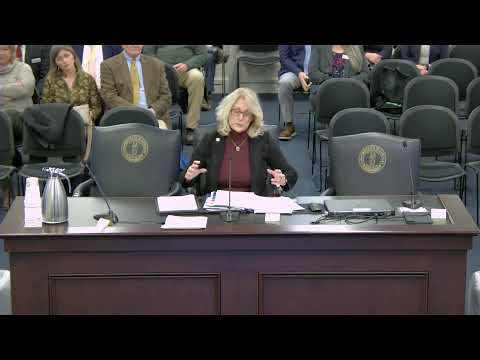
Chairman Howe convened the Senate Agriculture Committee and reintroduced a committee substitute to regulate non-veterinarian equine dental practitioners, then secured committee approval to reintroduce the substitute by voice vote.
The measure would add two categories of allied health providers into an existing licensing/registration framework and include an 18-month window for existing practitioners to meet new requirements, plus a grandfather clause reaching back five years, supporters said. The committee discussed testing standards, disciplinary processes and the intent to provide access and oversight without displacing veterinarians.
Chairman Howe told the committee there had been substantial stakeholder work on the draft and that materials distributed before the meeting “will not be made part of the official record or the packet.” He said the substitute was reintroduced to continue work begun in prior hearings and to allow members time to ask follow-up questions.
Senator Reid asked, “what type of testing will be used to earn the Kentucky seal of approval,” referring to the credentialing mechanism for practitioners. An identified witness described the exam as “an internationally recognized testing model” that is “quite stringent and requires education and continuing education.” The witness said the exam would be the same model used by allied health professions and that the state board would administer oversight.
Committee members also discussed timing for compliance. Senator Reid and the witness agreed the implementation window in the bill is 18 months, intended to allow existing practitioners time to complete testing and required education.
Senator Deneen pressed on the scope and possible precedent for nonveterinarian practice, asking whether expanding registry and credentialing for equine dental work would lead to broader nonveterinarian treatment of other animals. Chairman Howe and witnesses said the proposal was intended to provide a structure and registry for commonly practiced equine husbandry skills so that owners and rural operators would have affordable, regulated access while preserving veterinarians’ role for complications and advanced care. As one witness put it, “It is against the law to practice medicine without a license,” and the substitute aims to create a registration and disciplinary pathway to weed out bad actors.
Supporters described a multi-year stakeholder process behind the substitute: surveys of practitioners and veterinarians, multiple draft rounds, and coordination with the board of examiners and entities involved in the prior veterinary modernization act. The sponsor said the goal was to balance access, affordability and safety in rural areas where veterinary capacity can be limited.
On procedure, Chairman Howe asked for a motion to reintroduce the committee substitute. A motion was made and seconded by Senators Webb and Yates, and the committee approved the reintroduction by voice vote. The committee did not take a roll-call vote on the substitute at this meeting; committee members said additional questions and discussion continued after the session break.
The discussion will continue in subsequent committee action as sponsors and stakeholders refine testing, oversight and the grandfathering language.