Pleasanton Unified’s WorkAbility program helps students with disabilities gain paid work experience
January 07, 2025 | Pleasanton , Alameda County, California
This article was created by AI summarizing key points discussed. AI makes mistakes, so for full details and context, please refer to the video of the full meeting. Please report any errors so we can fix them. Report an error »
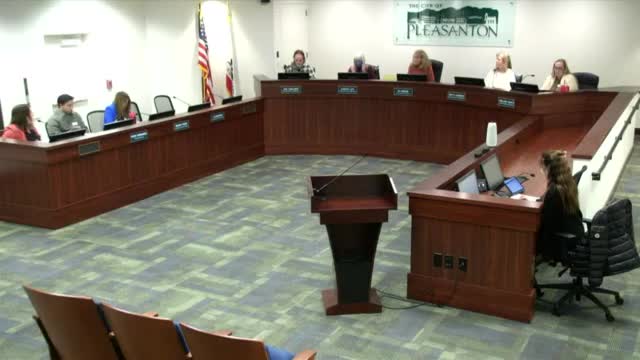
The program is funded by two grants—one from the California Department of Education and one from the Department of Rehabilitation—that reimburse the district for student wages and for the specialist’s position and two job coaches, Janine Rubino Brum said. Rubino Brum told commissioners the program serves roughly "3 to 400" students a year with career assessments, application and interview assistance, classroom presentations on workplace rights and safety, and individualized support; about 50 students are placed in jobs with job coaches at any given time.
"The goal is always to help them get a job when they leave school," Rubino Brum said. She said students placed through the program earn at least California minimum wage. Eligibility for paid placements requires an IEP, being age 16 or older, appropriate behavior and basic safety skills; students must maintain a minimum grade-point average and school attendance, she said.
Rubino Brum described worksites in Pleasanton and nearby communities that host students, including the Pleasanton Police Department, Sidetrack Bar and Grill, The Dairy, Bay Club, Joann Fabrics, Grocery Outlet, Walgreens and Safeway, as well as city sites such as the senior center, library and Alviso Adobe Community Park. Jesse, owner of The Dairy, said students make the restaurant "spotless" and take pride in their work; Todd, owner of Sidetrack Bar and Grill, said students contribute energy, help prepare the restaurant and provide a welcoming first contact for customers.
The program places transition‑age students (ages 18–22) who receive a certificate of completion into more intensive experiences: those students work three to four days a week and receive life‑skills instruction. Rubino Brum said students at Amador and Foothill high schools typically go to a worksite about one hour per visit because they must return for classes. Job coaches generally accompany students to worksites and serve as liaisons with employers.
Rubino Brum also described an optional next step for some students: Pleasanton Adult School’s Paid Internship Program (PIP), which takes approximately 12 participants in a competitive, nine-month cycle; participants rotate through three three-month job placements while supports are gradually reduced so adults can work more independently. She cited examples of students who moved from WorkAbility into PIP or into full-time employment after program completion.
Commissioners asked about barriers to employment and whether employers could legally pay less than minimum wage; Rubino Brum responded that paying below minimum wage is illegal in California and that the program helps employers understand necessary accommodations and the value WorkAbility students bring to worksites. She said the district is required by its grants to place at least 47 students in jobs with job coaches and to serve at least 315 students annually for the grants to remain in good standing. Follow-up surveys and reporting to the California Department of Education are part of the grant requirements.
Rubino Brum closed by saying she is committed to the role and encouraged businesses to consider hosting students, noting that employers often find the experience rewarding for their staff and customers.
Don't Miss a Word: See the Full Meeting!
Go beyond summaries. Unlock every video, transcript, and key insight with a Founder Membership.
30-day money-back guarantee
Sponsors
Proudly supported by sponsors who keep California articles free in 2025

