Get Full Government Meeting Transcripts, Videos, & Alerts Forever!
Get email alerts on the Outreach Education topic
No spam. Unsubscribe anytime.
Rent Stabilization Division reports higher registration compliance, expanded outreach and 33 utility petitions filed
Summary
Staff told the committee the division reached more residents through translated materials, school- and community-based events, redesigned web resources, and workshops; registration compliance rose to 94% and 33 property owners filed one-time utility-adjustment petitions covering 3,684 units so far.
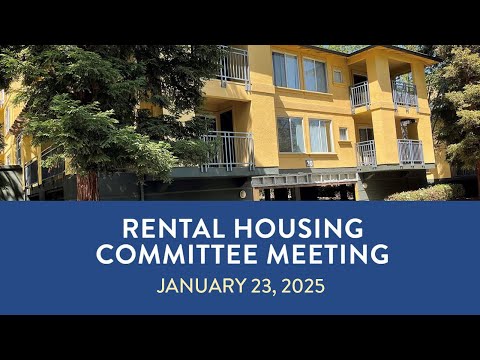
The Mountain View Rent Stabilization Division told the Rental Housing Committee on Jan. 23 that it expanded outreach and education in fiscal year 2023-24 and into 2024-25, translated key materials into Spanish, Mandarin and Russian, redesigned the division's website, and achieved higher registration and fee-payment compliance.
Staff reported that registration compliance rose from 42% (2022 cycle) to 88% (2023 cycle) and is now at 94% with fee-payment compliance at 95% following outreach efforts, mailings, workshops and direct assistance. Division staff said they handled 3,440 public inquiries in the prior fiscal year, increased attendance at community events targeted to vulnerable populations, and launched newsletters, updated FAQs, and a landlord housing-help center that moved to weekly sessions during the registration and utility-petition period.
A major task this year has been implementing the one-time utility-adjustment petition process for fully covered CSFRA properties. Staff reported 33 properties had submitted petitions as of the Jan. 23 meeting, representing a combined 3,684 units; staff said additional petitions were expected as the program's staggered deadlines approach and that staff would intensify email, phone and direct-mail outreach in February to prompt filings.
Staff outlined outreach tactics: translated print handouts, school-based events, targeted mailings to landlords and tenants, virtual and in-person workshops, video tutorials, and weekly landlord help-center clinics. Staff also said it had developed and tested petition materials, added a utilities resource hub on the division's web pages, and sent notices to tenants after a landlord filed a petition.
Committee members asked about repeated, low-merit appeals and whether staff can better flag or advise potential appellants to reduce wasted time; staff said they cannot provide legal advice but are revising forms and information sheets to clarify the appeal and petition processes and will work with legal counsel to tighten explanatory materials. Members also asked for examples of well-documented appeals and clearer pre-appeal guidance; staff said it would explore ways to illustrate strong vs. weak appeals without providing individualized legal advice.
Why it matters: higher registration compliance improves the division's ability to administer rules and identify covered properties; the utility-petition process is a large operational task with the potential to affect thousands of households and will require continued outreach and staff support.
Staff listed upcoming landlord and tenant workshops and weekly landlord help-center dates and said the written utility-petition materials and tenant notices are live on the Rent Stabilization Division website.