Get Full Government Meeting Transcripts, Videos, & Alerts Forever!
Get email alerts on the Search And Seizure Probable Cause topic
No spam. Unsubscribe anytime.
Defense says stop lacked probable cause in Miller appeal; prosecutor cites drugs and paraphernalia
Summary
In an appeals argument, defense counsel Kevin DeMello said police had only reasonable suspicion, not probable cause, to stop and search Harold Miller, while Middlesex County prosecutors argued officers corroborated citizen tips and found evidence supporting probable cause, including 73.12 grams of heroin and fentanyl.
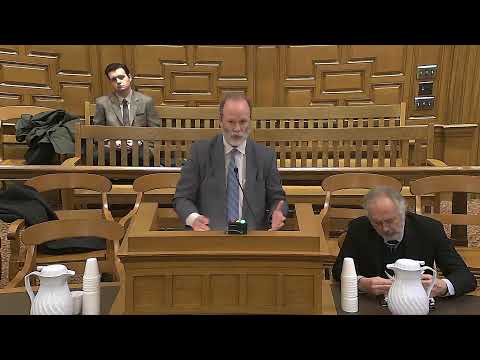
Kevin DeMello, attorney for Harold Miller, told the Appeals Court that police lacked probable cause to arrest and search Mr. Miller after observing him approach and briefly enter a residence in a drug area and later drive a short distance and park.
DeMello argued the observations described by officers—people with drug histories going in and out of a home and a short car ride—amounted at most to reasonable suspicion and did not include the sorts of furtive or hand-to-hand conduct that courts have treated as indicators of probable cause.
Assistant District Attorney Dylan Punch, representing the Commonwealth, said officers had independent corroboration for citizen complaints, knew occupants from prior investigations, observed a sequence of activity the Commonwealth characterized as a “silent movie” of distribution, and ultimately found evidence after opening the trunk: scales, plastic baggies with cocaine residue, and the prosecutor said 73.12 grams of heroin and fentanyl were next to the defendant when officers executed the search.
Justices questioned both sides about when reasonable suspicion becomes probable cause and whether the movement of a backpack from a passenger seat to the trunk or a defendant's false denial can elevate suspicion to probable cause. DeMello acknowledged that if the court finds probable cause at the time of the stop, a search incident to arrest would be lawful but urged the court to require more than the facts here.
The panel heard argument and took the appeal under advisement.