Get Full Government Meeting Transcripts, Videos, & Alerts Forever!
Get email alerts on the Criminal Defense Ineffective Assistance topic
No spam. Unsubscribe anytime.
Defense says missing lab certificate at trial warrants new trial in Henderson appeal
Summary
In an appeals hearing, defense attorney Philip Weber argued that trial counsel’s reference to a drug “certificate” that was never admitted into evidence amounts to ineffective assistance and likely prejudiced the jury, while the Commonwealth urged the court to defer to the trial judge’s finding that counsel’s performance was not prejudicial.
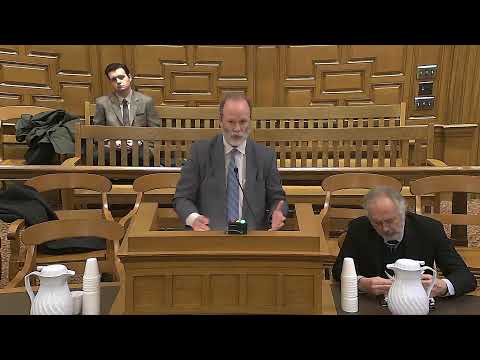
Attorney Philip Weber argued before the Massachusetts Appeals Court on behalf of Alexander Henderson that trial counsel’s closing centered on a drug “certificate” that was not in evidence and that omission likely changed the jury’s verdict.
Weber told the three-justice panel that the missing document was “the culmination of this closing argument” and said jurors even asked during deliberations, “Can we see the drug certificate?” He urged the court that the omission was not strategic and that the error “was the centerpiece of this argument.”
The panel’s presiding justice, Ariane Bueno, and Justice Robert Brennan pressed Weber on whether the record before the appeals court was sufficient to resolve the ineffective-assistance claim without a motion for a new trial in the trial court. Weber replied that the error and its context were laid out in the record and that direct appellate review was appropriate because the evidence was closed when the issue arose.
Assistant District Attorney Michael McGee, representing the Commonwealth, told the panel the trial judge had reviewed recordings and the testimony and concluded counsel’s performance was not ineffective. McGee emphasized the strength of the Commonwealth’s evidence, describing 73.12 grams of heroin and fentanyl found in the defendant’s presence and other physical indicators the Commonwealth said supported conviction.
The prosecutor also noted that the judge had twice instructed jurors to rely on their recollection of testimony and that the jury never asked for the tape to be played back before returning a verdict.
The court took the case under advisement after argument. The issue presented is whether counsel’s mistaken reference to a document not admitted into evidence—coupled with jurors’ question during deliberations—created a reasonable likelihood of a different outcome sufficient to require a new trial.