Get Full Government Meeting Transcripts, Videos, & Alerts Forever!
Get email alerts on the Sentencing Appeals Resentencing topic
No spam. Unsubscribe anytime.
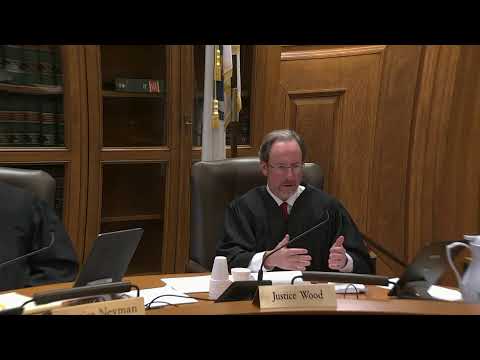
Appellate panel hears dispute over resentencing, Rule 30(b) and counsel performance in Hagerty matter
Summary
The court considered whether Rule 30(b) or other procedural vehicles could be used decades after sentencing to obtain resentencing where interconnected life sentences followed a now-vacated felony murder conviction; parties also argued ineffective assistance and retroactive parole impacts.
The Appeals Court heard extended argument Feb. 13 in Commonwealth v. Hagerty (docket 24P629), a decades-spanning dispute over whether a defendant who successfully vacated a felony-murder conviction has an available remedy to seek resentencing on related life sentences. Suzanne Renoux, for George Hagerty, urged the panel that extraordinary procedural relief under Rule 30(b) or equitable relief could be appropriate because the sentencing scheme operated as a unit and the vacatur of the murder conviction plausibly affected the lawful or just sentence for the remaining counts.
Renoux told the court the record reflects an exceptional, “sui generis” posture: the defendant’s felony-murder conviction was vacated on appeal decades earlier, sentencing on multiple counts was effectively treated as a unit at the time, and the procedural history left no clear vehicle for resentencing decades later. She relied on Brescia and related authority to argue that the interest of justice may warrant relief when procedural rules otherwise leave no adequate remedy.
Opposing counsel argued Rule 30(b) is not a vehicle to obtain resentencing and that Rule 29’s 60-day window to seek revision renders the present petition untimely. The Commonwealth urged that allowing a perpetual opportunity for resentencing would nullify the finality rules that govern sentencing challenges and would undermine statutory time bars.
A central factual and legal disagreement concerned whether trial and appellate counsel made a deliberate tactical decision not to seek resentencing after the murder vacatur and whether that decision was reasonable. The justices questioned whether, as defense counsel said, counsel had expected parole eligibility to follow the vacatur and therefore intentionally declined to seek resentencing; the Commonwealth emphasized precedent limiting ineffective-assistance claims for failure to file untimely motion unless counsel promised to file.
Much of the argument turned on parole eligibility and the practical consequences of converting life sentences to terms of years — including how minimum-term calculations, good-time credits and the Eighth Amendment constrain possible resentencing results. Counsel debated whether the defendant had presented sufficient evidence to show prejudice from any alleged failure to seek resentencing.
After argument from both sides and questioning on the interplay of Rule 30(b), Rule 29, and ineffective-assistance precedent, the panel took the case under advisement.