Get Full Government Meeting Transcripts, Videos, & Alerts Forever!
Get email alerts on the Court Procedure Records topic
No spam. Unsubscribe anytime.
Appeals court considers whether judge erred in correcting decades-old docket ambiguity
Summary
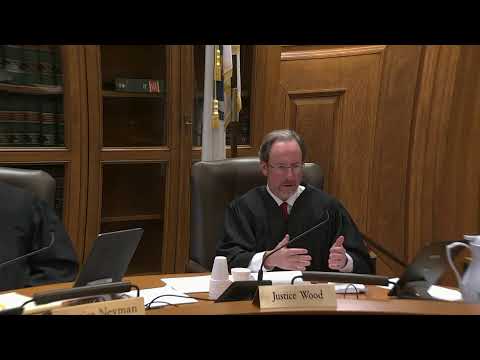
The court heard argument in Commonwealth v. Tbolt about whether a motion judge properly used Rule 42 to treat a decades-old docket entry as a clerical error and convert an apparent conviction into a continuation without a finding.
The Massachusetts Appeals Court heard argument Feb. 13 in Commonwealth v. Tbolt (docket 24P758) over whether a motion judge abused discretion by treating an ambiguous 1990s docket entry as a clerical error and effectively altering a past disposition. The Commonwealth argued the motion judge lacked a factual basis to disturb the record; defense counsel urged that the docket’s inconsistent markings (a checked “continuance without a finding” box and a “G” in the adjacent sentence field) created precisely the clerical ambiguity that Rule 42 was designed to correct.
Counsel and the panel parsed the docket entries line by line. Defense counsel told the court the clerk’s marks created an ambiguity: the continuation-without-finding box had no date filled in, while a separate sentenced box contained a date and a “G” notation. The Commonwealth replied that the docket, as filed, is prima facie evidence of the court’s action and that a movant alleging a clerical error decades after the fact must present some objective evidence to rebut the record.
The justices pressed whether an evidentiary hearing would be appropriate when a motion judge concludes a record is ambiguous. The Commonwealth argued the defendant’s self‑serving affidavit did not present facts sufficient to merit an evidentiary hearing; defense counsel stressed the judge could have called the clerk or other witnesses to resolve the inconsistency before making his Rule 42 ruling.
The panel asked about remedies and whether reversal or remand for an evidentiary hearing is the appropriate path if the appeals court concludes the motion judge erred. Counsel for the Commonwealth urged reversal; defense counsel requested remand for further factfinding. The case was submitted to the panel for decision.