Get Full Government Meeting Transcripts, Videos, & Alerts Forever!
Lawmakers and witnesses raise alarms over outside access to Treasury payment systems and taxpayer confidentiality
Summary
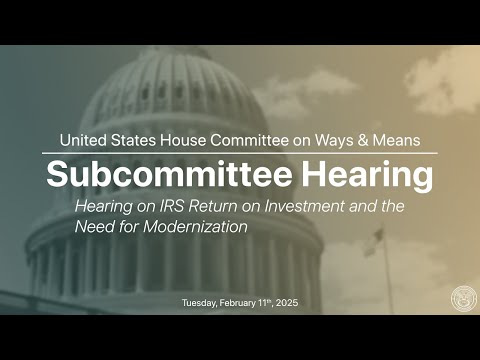
Members pressed GAO and witnesses about reported access to Treasury payment systems by individuals associated with the so-called Department of Government Efficiency ("Doge") and the privacy implications under section 6103 of the tax code; GAO said it did not know what, if anything, was accessed.
Members of the House Ways and Means Subcommittee on Oversight spent substantial time questioning witnesses about reported access to the Bureau of the Fiscal Servicepayment systems and the implications for taxpayer confidentiality.
The committee's initial questions centered on who had accessed Treasury systems and what confidential tax or payment information might have been exposed. The Government Accountability Office managing director…
Already have an account? Log in
Subscribe to keep reading
Unlock the rest of this article — and every article on Citizen Portal.
- Unlimited articles
- AI-powered breakdowns of topics, speakers, decisions, and budgets
- Instant alerts when your location has a new meeting
- Follow topics and more locations
- 1,000 AI Insights / month, plus AI Chat