Get Full Government Meeting Transcripts, Videos, & Alerts Forever!
Get email alerts on the Building Standards Orientation topic
No spam. Unsubscribe anytime.
Sugar Land staff brief Building Standards Commission on dangerous-building procedures, rental licensing and 2024 ICC code adoption timeline
Summary
Staff from Sugar Land's building and neighborhood services departments reviewed the commission's quasi-judicial responsibilities, the city's dangerous‑building and rental‑license processes, and an anticipated adoption of the 2024 International Code Council codes within several months.
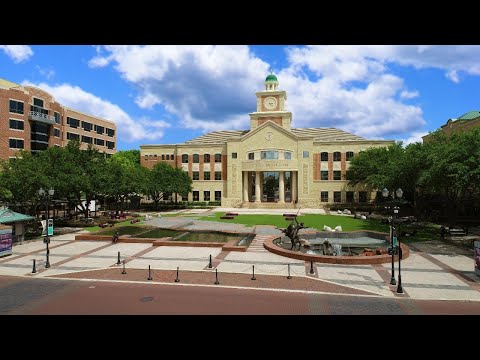
Sugar Land staff presented an annual orientation to the Building Standards Commission on Feb. 12, 2025, reviewing the panel's quasi‑judicial role, the city's dangerous‑building and residential rental‑licensing procedures, and a planned update to the city's building code. The session took place at Sugar Land City Hall's council chambers and included presentations from the city’s building and neighborhood services staff.
The orientation matters because the commission hears appeals, variances and unsafe‑structure cases that can lead to orders filed with the county, property liens or revocation of rental licenses. Staff told commissioners that adherence to code and clear procedures protect public health and the city's insurance‑related ISO ratings.
Andrew Popetzky, Building Inspector III, summarized the commission's legal framework and duties, citing the commission's quasi‑judicial responsibilities and its role to "hear the evidence and receive testimony." Popetzky said the commission's authority was grounded in local code and state law and noted that decisions from the commission are appealed to state district court rather than to city council.
Nicole Solis, Assistant Director of Neighborhood Services, described how the city enforces minimum property‑maintenance standards and how cases proceed from complaint to hearing. "We enforce minimum property maintenance standards," Solis said, and staff try first for voluntary compliance through site visits and notices of violation. If conditions meet the city's dangerous‑building criteria — examples cited included significant foundation damage, fire damage, holes in roofs, dilapidation or unsecured properties — staff may issue notices for a hearing before the commission.
Solis said orders issued by the commission may be filed with Fort Bend County and that copies of findings and orders are sent to property owners and identified lien holders; staff also post notices in the local newspaper. She emphasized that the commission must limit its consideration to evidence presented at the hearing and that board members with a statutory conflict must recuse themselves.
Staff also described the residential rental‑licensing program. Solis noted that all rental properties in Sugar Land receive an annual exterior inspection and an interior inspection when a new tenant moves in, and that property owners may appeal a license denial or revocation to the Building Standards Commission.
City staff announced a planned update to the city's building code: the city is reviewing the 2024 International Code Council (ICC) code cycle and anticipates proposing adoption of the 2024 ICC codes to city council. Staff said they expect a public adoption process and estimated a realistic timeline of about six months (aggressively three months), and they noted the adoption can affect the city's ISO rating and insurance premiums because insurance companies use code adoption and inspection practices as part of their assessments.
The orientation included procedural reminders: the commission has seven members with three alternates, a quorum requirement (a majority of commissioners present), an attendance expectation, and annual training requirements that include orientation, open‑meetings training, and ethics training.
No formal ordinance or code adoption vote occurred at the Feb. 12 meeting; staff said they will circulate project web pages, proposed amendments and public comment forms when the code update is posted for review.
Votes at a glance: the meeting approved prior meeting minutes (motion by Sanjay Atlanta; seconder not specified in the record; outcome recorded as approved) and later adjourned on a motion (mover and seconder not identified in the transcript; outcome recorded as approved).