Get Full Government Meeting Transcripts, Videos, & Alerts Forever!
Get email alerts on the Criminal Justice Treatment topic
No spam. Unsubscribe anytime.
Harvey County health department outlines Waymaker jail pilot; funding set to expire June 30
Summary
Health department and partners told commissioners the Waymaker pilot at the Harvey County Detention Center has referred 47 people, delivered 282 peer‑group attendances and made 66 referrals; staff said funding currently runs through June 30 and they are seeking additional grants.
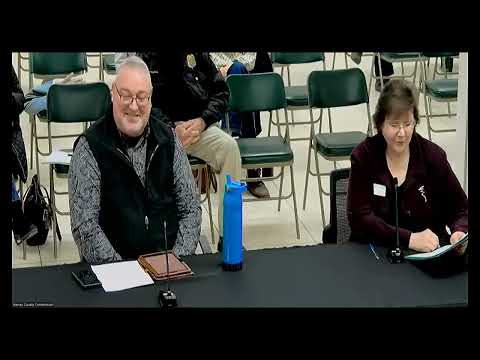
Lynette Reddington, Harvey County Health Department, told the Board of County Commissioners on Feb. 11 that the Waymaker pilot program at the Harvey County Detention Center is a volunteer partnership between the Community Chaplain Response Team, the detention center and Prairie View designed to connect incarcerated people with substance‑use disorder treatment.
Reddington said the project, which began in July 2024, combines an eight‑week, therapist‑led curriculum through Prairie View with Kansas‑certified peer mentor groups run inside the jail. She said the project has relied largely on opioid‑settlement dollars and other local grant funds. “It is a total volunteer program,” Reddington said.
Reddington gave commissioners enrollment and outcome counts: the program staff interviewed 32 individuals; 47 people were referred (about 36 percent of those interviewed); peer‑group attendance has totaled 282 duplicate attendances; staff reported 66 community referrals; 36 participants had been released; and five released participants had re‑entered the detention center and remained eligible to rejoin the program.
Chaplain Ray Nicodemus, a community chaplain who helps screen and schedule participants, said the most frequent jail requests now are for drug treatment and placements. Peer mentor LA — who works directly with participants in the jail — described participants’ progress, calling out increased engagement, emotional openness and continuing attendance at community peer groups after release.
Reddington and partners told commissioners the detention‑center staff have reported a reduction in inmate‑to‑inmate and inmate‑to‑deputy confrontations and improved communication related to the program. Commissioners asked how the county will measure success.
Reddington said program leaders track recidivism, numbers completing the curriculum, numbers requesting to continue if still incarcerated and the number of community resources to which participants are referred. She said staff do not yet have a SMART goal to report but are monitoring those metrics and promising outcomes.
Commissioners asked about funding. Reddington said current funding through opioid settlement dollars runs to June 30, 2025. Staff said they are pursuing additional funds, including a possible Sunflower Foundation award and a Department of Justice competitive program (referred to in the meeting as COSAP). “We can only hope” funding arrives before the pilot’s current funding period ends, Reddington said.
The presenters asked commissioners to note that the pilot is voluntary and that participants who relapse remain eligible to rejoin. Reddington said the county can provide additional updates if commissioners want more detail on metrics or grant applications.
Ending — Commissioners thanked staff and partners for the update and asked to be kept informed about funding efforts and future reports.