Get Full Government Meeting Transcripts, Videos, & Alerts Forever!
Get email alerts on the Hotel Occupancy Tax topic
No spam. Unsubscribe anytime.
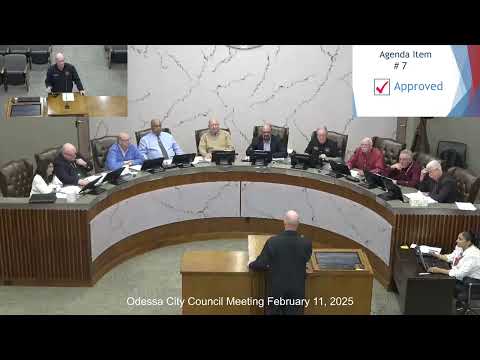
Odessa council approves $200,000 in hotel-occupancy tax for downtown events
Summary
On Feb. 11, 2025, the Odessa City Council approved allocating $200,000 in hotel-occupancy tax (HOT) funds to support recurring downtown events, with council members stressing that any expenditures must meet state rules requiring promotion of tourism and measurable "heads and beds."
The Odessa City Council on Feb. 11, 2025, voted unanimously to allocate $200,000 from the city’s hotel-occupancy tax fund to support recurring downtown events including Firecracker Fandango, the Parade of Lights, an Easter Egg Hunt, Treats on the Streets, and First Fridays.
City staff introduced the request as a way to restore planning and production for events city leaders said residents expect. "I'm asking you to allocate, again, $200,000 from HOT funds to be spent towards those events," said Richard Morton, who presented the proposal to the council. Morton said Elizabeth Prieto will take a lead role on the city side for event coordination.
The council’s discussion focused on the legal limits for HOT spending. A council member cited guidance that the Texas Tax Code (referencing §351.002(a)) and Texas Municipal League materials require HOT expenditures to promote tourism and the hotel industry and to show a reasonable connection to producing overnight stays. The council debated how organizers would document the events’ effect on local room nights, including hotel receipts, venue sign-in logs and third-party cell-phone data as possible tracking mechanisms.
Supporters said some eligible event expenses — such as staff overtime, fencing and security — have historically driven the city’s event costs and are allowable HOT expenditures when tied to tourism. Critics on the dais urged caution and requested legal confirmation that particular uses would meet state rules; council members were told staff would follow the law and document head-and-bed reporting as required.
A motion to approve the allocation passed unanimously. Council members also clarified that fireworks themselves would not be paid from HOT funds and, if needed, would have to come from other sources such as private sponsorship or the general fund.
Why it matters: Hotel-occupancy tax dollars are restricted by state law. The council’s action commits limited, dedicated revenue to downtown programming while directing staff to track and document tourism-related impacts so that expenditures comply with state law and local policy.
Votes at a glance: Motion to allocate $200,000 in HOT funds for downtown events — approved unanimously.
What’s next: Staff will prepare documentation and legal confirmations on eligibility and reporting; city staff indicated a need for faster planning to support summer events that require months of lead time.