
District shows classroom uses for Magic School AI, highlights supports for special education and differentiation
Get AI-powered insights, summaries, and transcripts
Subscribe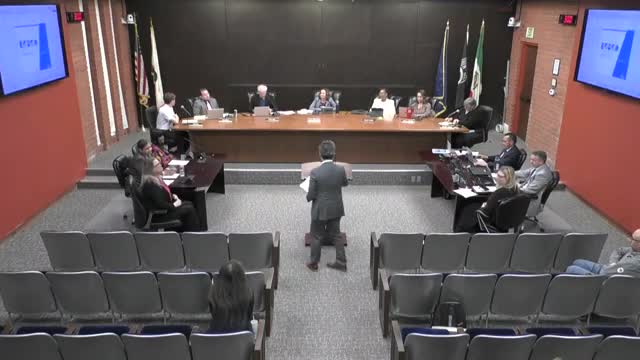
Summary
An AI instruction coach demonstrated Magic School's classroom tools, including image generators, chatbots for historical role play, text leveling for special education and IEP/behavior-plan templates; board members praised pilot use and asked for follow-up demonstrations.
Dr. Fong Yuzhou, the district's AI instruction coach, demonstrated Magic School AI tools and told the board on Feb. 11 that the district is using the platform to support teachers with lesson generation, differentiation and accommodations.
Dr. Fong said Magic School provides more than 80 generative tools and stressed that AI is an instructional aid: "AI is not 100% and that we should check for accuracy," she said, adding that teacher oversight remains essential.
Classroom examples presented to the board included an eighth-grade art unit where students prompt an image generator to recreate classic works and then discuss technique; a social-studies exercise in which students used a character chatbot to "interview" a historical figure (the meeting included a live demo that simulated an exchange with George Washington); and special-education supports such as text leveling, sentence starters, IEP generators and behavior intervention plan templates.
Presenters said teachers use the platform to produce leveled quizzes and personalized study guides; a cited use case involved a high-school biology teacher whose students created individualized study materials using a Magic School feature called "Quiz Me." Fourth-grade students used a student-facing chatbot to generate invention names for an invention-convention project.
Dr. Fong said teacher usage metrics captured on Feb. 4 show active adoption and the district's advisory team will continue professional development. Several board members praised the tool for helping special-education students remain included in classrooms by scaling materials to individual needs.
Board members asked for additional on-campus demonstrations so they could see the tools in action with students; Dr. Fong and board members agreed to return with classroom examples in a future meeting.