Get Full Government Meeting Transcripts, Videos, & Alerts Forever!
Get email alerts on the Transportation Fleet topic
No spam. Unsubscribe anytime.
School committee approves EPA-funded electric-bus program; members seek clarity on vehicle ownership and long-term contract
Summary
The Springfield School Committee voted unanimously to accept an Environmental Protection Agency (EPA) clean heavy‑duty vehicles award and related expenditures and to proceed with an electric‑bus program operated in partnership with First Student.
The Springfield School Committee voted unanimously to accept an Environmental Protection Agency (EPA) clean heavy‑duty vehicles award and related expenditures and to proceed with a plan to introduce electric school buses operated in partnership with First Student.
Committee members and district officials said the grant will fund replacement of diesel vehicles with electric models and build supporting infrastructure, but they flagged unanswered questions about ownership and long‑term cost implications. Superintendent Dr. Denholm told the committee, "These funds are right on time," and praised staff who prepared the application.
Chief Pat Roach said the district will partner with First Student for operations, and described routine charging practices: "My understanding is that they will plug in the buses every night, and they also have some pretty good plans for swapping batteries out when, like, a battery's running low, and they'll be plugging them in...when they come back in the middle of the day between runs, plugging them in so they're charged for the afternoon run." Roach said First Student already runs similar programs for other accounts.
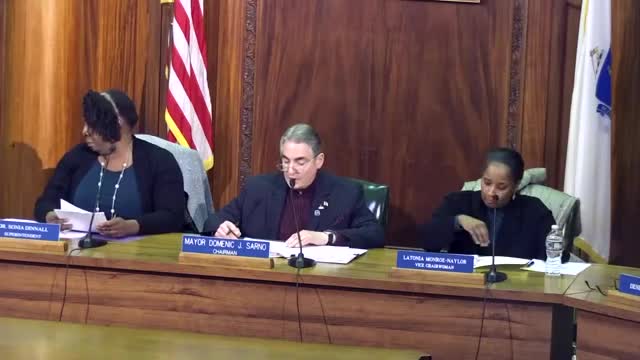
Vice Chair Naylor and others pressed on ownership and contract terms, noting future budget exposure if the city becomes dependent on a vendor that procures expensive vehicles. Mayor Sarno said prior budget conversations flagged the related operational contract as "a budget buster about $42,000,000" and recommended exploring options that would give the city flexibility when contracts expire.
Committee members voted to approve the expenditure and proceed; roll‑call names recorded on the motion were Mister Gonzales, Attorney Murphy, Mister Collins, Miss Gresham, Miss Hurst, Miss Monroe Naylor and Mayor Sarno (all recorded "Yes"). The committee did not specify in the meeting record whether the district will retain title to the buses or whether First Student will own them under a lease or service agreement.
Members directed staff to continue negotiating details, to report back on ownership, infrastructure timing and driver training, and to provide a clearer timeline for when charging infrastructure would be installed. No implementation deadline was set during the meeting.
The committee's passage of the motion begins a multi‑year process to install charging stations and phase in electric buses; officials said infrastructure work and vehicle roll‑out will take several years.
Details left unspecified at the meeting included the precise grant award language and the motion text as read into the record; the committee's vote was recorded as passing unanimously.
Next steps listed by officials: staff will continue negotiations with First Student, prepare a timeline for infrastructure installation and provide a follow‑up report to the school committee clarifying vehicle ownership and long‑term contract implications.