Get Full Government Meeting Transcripts, Videos, & Alerts Forever!
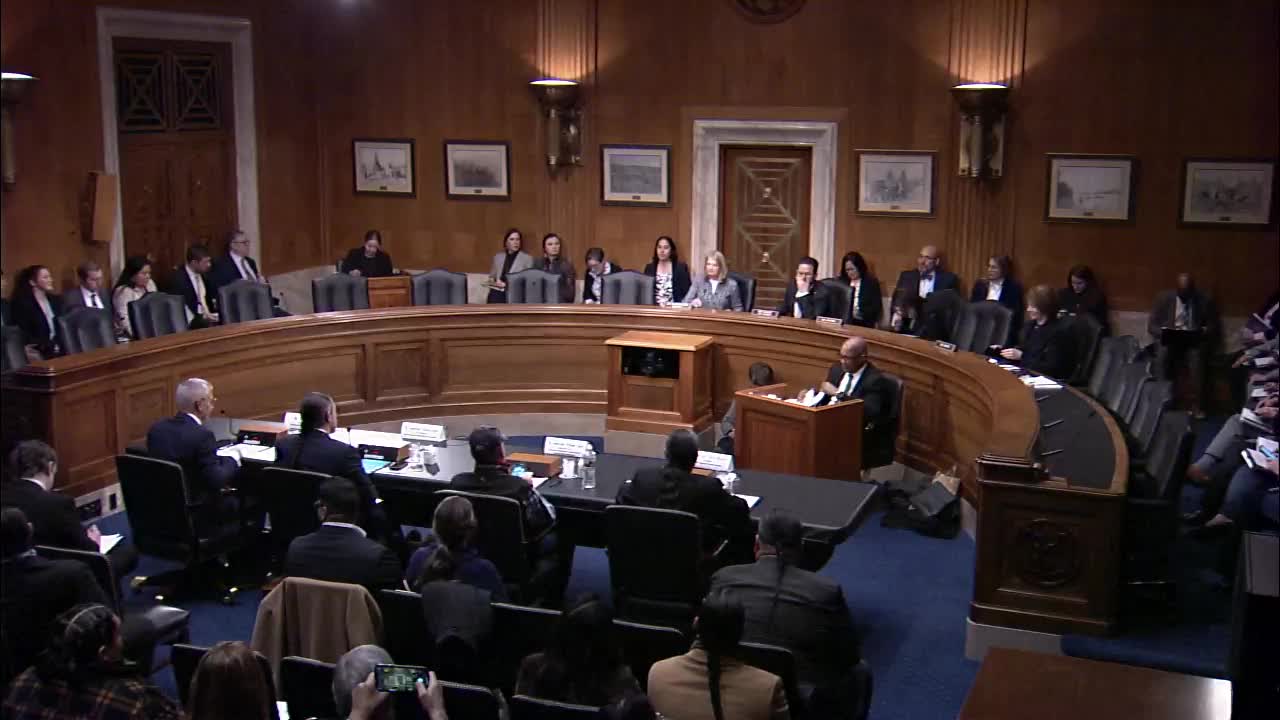
Senate Indian Affairs hearing emphasizes federal trust responsibility and urges administration clarifications to protect tribal programs
Summary
Committee members and witnesses pressed for clear administrative direction that tribal programs be exempt from recent executive actions and OMB/OPM guidance, and urged that agencies formally recognize tribal nations' unique political status in policy implementation.
Senators and tribal leaders at the Senate Committee on Indian Affairs hearing asked the new administration to ensure that agency directives and executive actions do not inadvertently disrupt federally funded tribal programs or the federal trust and treaty obligations to Native nations.
Chair Lisa Murkowski, opening the hearing, said the committee has urged the Office of Management and Budget to acknowledge tribal nations’ unique political status and to clarify that tribal programs and trust obligations should not be paused, reallocated, or…
Already have an account? Log in
Subscribe to keep reading
Unlock the rest of this article — and every article on Citizen Portal.
- Unlimited articles
- AI-powered breakdowns of topics, speakers, decisions, and budgets
- Instant alerts when your location has a new meeting
- Follow topics and more locations
- 1,000 AI Insights / month, plus AI Chat