Get Full Government Meeting Transcripts, Videos, & Alerts Forever!
Tribal financial leaders push tax parity, set‑asides and loan‑program fixes to expand tribal capital access
Summary
The Native American Financial Officers Association urged Congress to modernize tax treatment of tribal governments, create set‑asides for New Markets and Low‑Income Housing Tax Credits, and adjust the Indian Loan Guarantee Program so tribes can use new tax incentives.
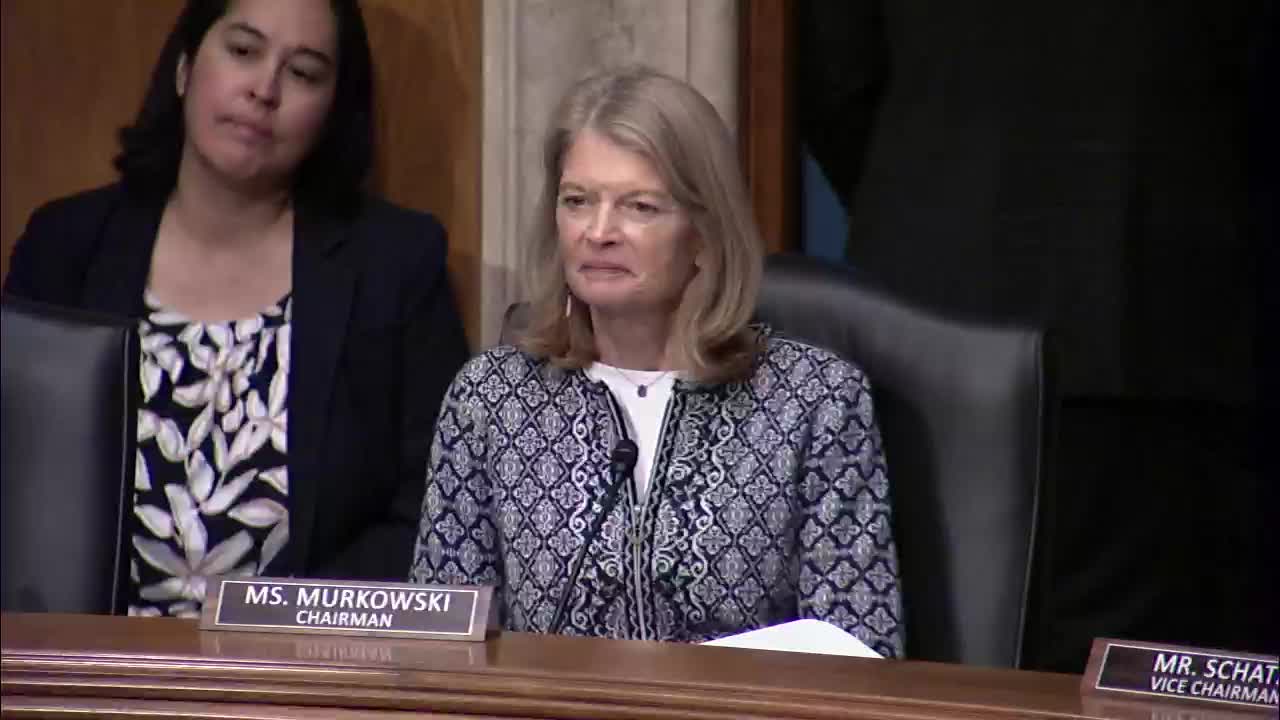
Tribal financial leaders told the Senate Committee on Indian Affairs that tax policy and federal financing tools remain central constraints on tribal economic development and urged Congress to modernize tax parity and capital access.
Rodney Butler, president of the Native American Financial Officers Association (NFOA), said recent efforts to pause or reclassify grants and programs have caused uncertainty and that long‑standing disparities in tax treatment constrain…
Already have an account? Log in
Subscribe to keep reading
Unlock the rest of this article — and every article on Citizen Portal.
- Unlimited articles
- AI-powered breakdowns of topics, speakers, decisions, and budgets
- Instant alerts when your location has a new meeting
- Follow topics and more locations
- 1,000 AI Insights / month, plus AI Chat