Citizen Portal

Family Physician Urges Long-Term Funding for Community Health Centers, Pilot Medicare Meals and SNAP Access for Older Adults

2295135 · February 12, 2025

Get AI-powered insights, summaries, and transcripts

Subscribe
AI-Generated Content: All content on this page was generated by AI to highlight key points from the meeting. For complete details and context, we recommend watching the full video. so we can fix them.

Summary

Dr. Sarah Nossal told the Senate Aging Committee that clinical counseling on diet and exercise is ineffective unless communities provide access to healthy food, safe places to exercise and stable housing; she urged long-term funding for community health centers and teaching‑health‑center graduate medical education.

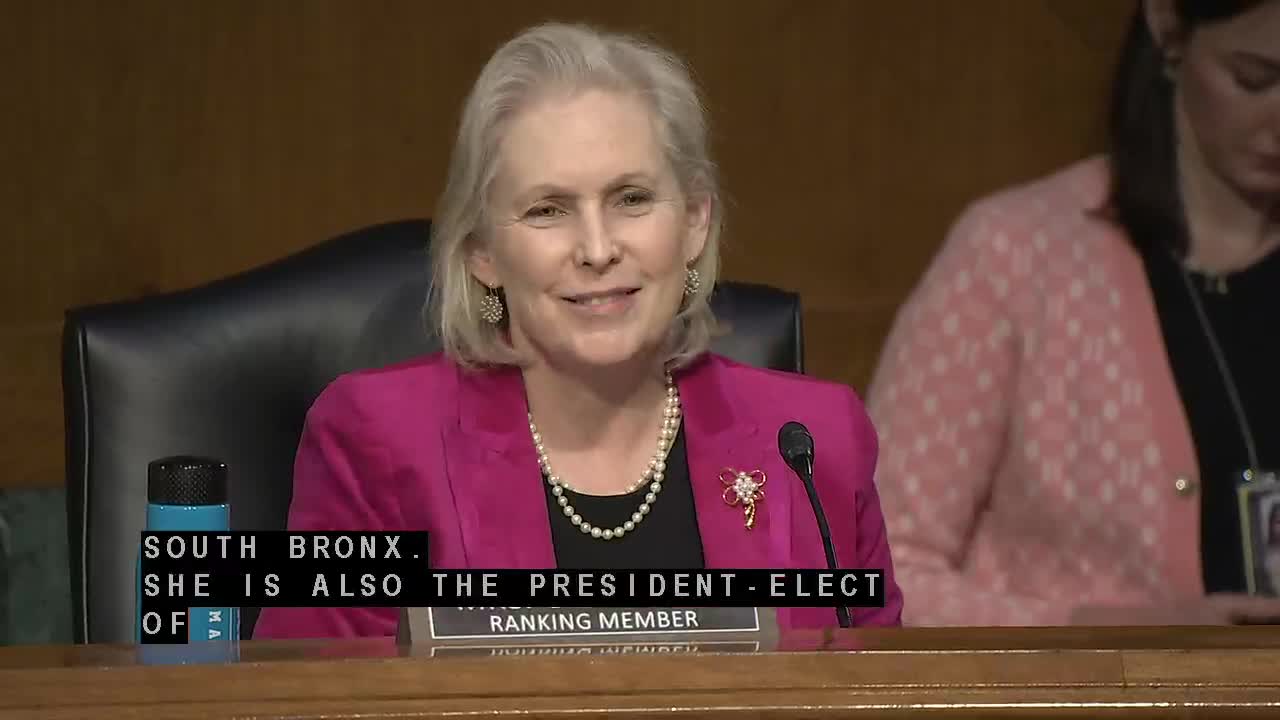
Dr. Sarah Nossal, a practicing family physician in the South Bronx and president‑elect of the American Academy of Family Physicians, told the Senate Special Committee on Aging that social determinants of health prevent many patients from following clinical advice. Nossal described patients who could not refrigerate insulin because of utility shutoffs, who faced four flights of stairs to reach public transit with a walker, or who lacked nearby grocery stores with affordable whole foods.

Nossal urged Congress to make long‑term funding for community health centers (CHCs) and the Teaching Health Center Graduate Medical Education (THC GME) program a priority; she told senators both programs were currently funded only through March 31 (the fiscal timing cited in testimony). Nossal said CHCs often serve as the only accessible care setting for Medicaid beneficiaries and that THC GME has a high success rate retaining residents in communities of need.

On nutrition, Nossal described medically tailored meals and programs that use Medicaid authorities to provide meals to whole households as promising interventions. During Q&A, senators and witnesses discussed the potential for Medicare pilots to cover medically tailored meals for beneficiaries with diet‑impacted conditions and for SNAP and Meals‑on‑Wheels to be leveraged for home-delivered nutritious meals for older adults who cannot cook.

Why it matters: Nossal argued that clinical counseling about diet and exercise is insufficient unless structural barriers — housing, transportation, food access and affordability — are addressed. She said CHCs are efficient in spending and essential for underserved communities, and that temporary funding for CHCs and THC GME threatens care access and training pipelines.

Ending: Nossal urged Congress to consider long‑term appropriation for CHCs and THC GME and to explore pilots and policy changes that expand access to medically tailored and delivered nutritious meals for older and food‑insecure patients.