Lifetime Citizen Portal Access — AI Briefings, Alerts & Unlimited Follows
Senate Aging Hearing Spotlights Prevention: Exercise, Nutrition and Social Ties as Core to Longer, Healthier Lives
Loading...
Summary
Witnesses at a Senate Special Committee on Aging hearing urged shifting U.S. health policy from reactive care to prevention, emphasizing resistance exercise, whole-food diets, social connection and updated public guidance to reduce chronic disease and health-care spending.
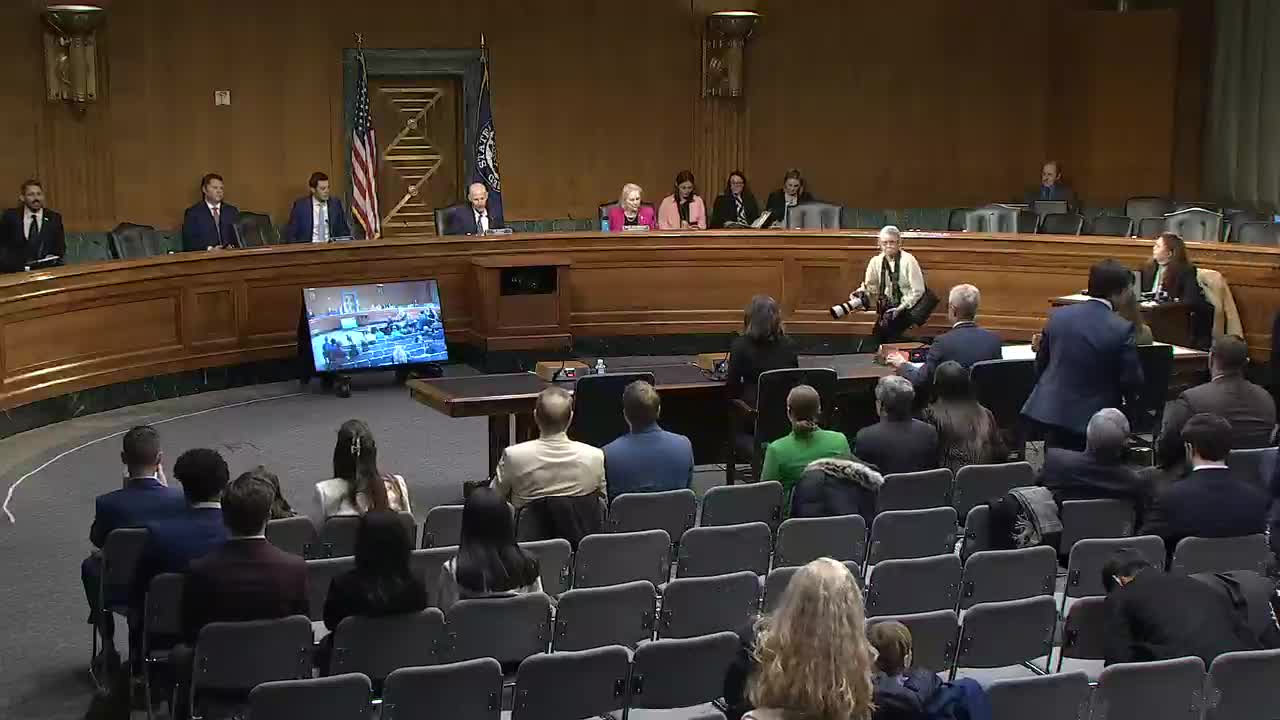
Chairman Tim Scott convened a Senate Special Committee on Aging hearing focused on healthy longevity, telling the panel the goal was to extend not only lifespan but ‘‘health span’’ — the years lived free of disease or disability. The committee heard from four witnesses representing research, clinical practice and community interventions: scientist and health educator Dr. Rhonda Patrick; Dr. Eric Verdin, president and CEO of the Buck Institute for Research on Aging; family physician Dr. Sarah Nossal, president-elect of the American Academy of Family Physicians; and Blue Zones founder Dan Buettner.
The witnesses told senators that lifestyle factors — physical activity, diet, sleep, stress management and social connection — account for a large share of differences in health and longevity and should be central to federal policy. ‘‘Obesity is not inevitable...It is something that can be prevented,’’ said Dr. Rhonda Patrick, who emphasized resistance training, micronutrient status and reducing ultra‑processed foods. Dr. Eric Verdin argued that ‘‘aging is the greatest risk factor and the main driver for these chronic diseases of aging,’’ and said research that targets aging mechanisms should be paired with stronger emphasis on lifestyle change. Dr. Sarah Nossal added that ‘‘food and exercise can only be medicine if they are easily accessible’’ for patients.
Why it matters: witnesses framed chronic illness as the main driver of U.S. health-care spending and as largely preventable if public policy and clinical guidance prioritize prevention. Dr. Patrick cited CDC-derived figures that about six in 10 Americans have at least one chronic disease and about four in 10 have two or more. Committee members repeatedly connected those health burdens to economic cost and to disparities in access to healthy food, safe places to exercise and primary care.
Key evidence and recommendations offered at the hearing included: updating federal physical-activity guidance to emphasize resistance training and brief ‘‘exercise snacks’’ throughout the day; expanding nutrition education in schools and medical training; increasing access to whole, minimally processed foods; supporting community design that encourages walking and social interaction; and accelerating translational aging research while developing regulatory pathways for therapies that target aging biology.
WITNESSES AND QUOTES Dr. Rhonda Patrick (scientist/health educator) recommended clearer, actionable exercise guidance and highlighted muscle loss with age: ‘‘When the average American reaches age 50, they lose about 10% of their peak muscle mass. By the time they reach age 70, they're losing about 40% of their peak muscle mass.’’ Dr. Patrick also cited micronutrient shortfalls and high levels of ultra‑processed food consumption.
Dr. Eric Verdin (Buck Institute) said aging research is reaching a turning point and urged Congress to increase NIH support and to create regulatory clarity for therapies that target mechanisms of aging. He told senators the goal should be ‘‘to ensure those extra years are spent in health, dignity, and independence.’’
Dr. Sarah Nossal (family physician, Institute for Family Health) described clinical examples where social determinants — unstable housing, lack of electricity, food insecurity and transportation barriers — made recommended lifestyle changes impossible for her patients in the South Bronx.
Dan Buettner (Blue Zones) argued that environments that ‘‘make the healthy choice the easy choice’’ produce measurable gains in longevity and community health, citing municipal case examples (see related article on community interventions).
Discussion items for policymakers included the role of wearables and telehealth for remote populations, the potential for Medicare pilots for medically tailored meals, and whether SNAP and other federal nutrition programs could be better leveraged to promote health.
No formal votes or committee actions were taken during the hearing; witnesses provided testimony and answered senators’ questions. The committee adjourned after a multi-hour hearing covering prevention, research and local policy approaches.
Ending: Senators and witnesses repeatedly returned to the same theme: a large portion of chronic disease risk is modifiable, and policy that combines new research, clinical guidance and community design could reduce illness and spending over time.