Lifetime Citizen Portal Access — AI Briefings, Alerts & Unlimited Follows
DOJ nominee says he will empower U.S. attorneys, federal partners to tackle violent crime
Loading...
Summary
At a Senate confirmation hearing, the nominee for deputy attorney general said he would empower United States Attorneys and coordinate federal and local law enforcement to address violent crime in cities and rural areas.
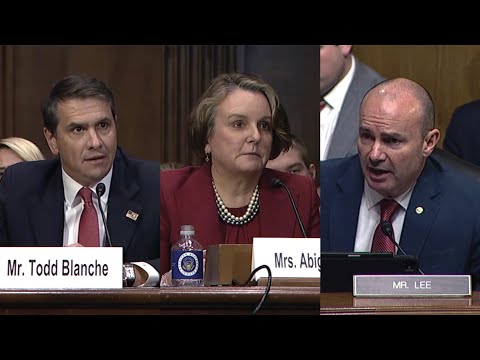
Mister Blanch, the nominee for deputy attorney general, told a Senate committee on Oct. 12, 2025, that his primary approach to combating violent crime would be to "empower United States Attorneys around this country" and to work closely with federal and local partners.
Blanch made the comment while answering questions about his experience prosecuting organized crime and violent offenses. He said coordinated work with federal agencies such as the FBI, DEA and ATF, together with state and local partners, would be central to the strategy: "to get into the inner cities, but also into our in a rural communities and combat violent crime." He added that the Justice Department has "a lot of money" and "a lot of really great agents and great prosecutors" to carry out that work.
The nominee described a mixed federal- and state-level model for handling cases, saying some would properly be prosecuted in state courts and others in federal court. He emphasized empowering U.S. attorneys to decide the appropriate prosecutorial venue: "some of those cases will go to the state, some of the cases should go federal, but working with our state and local partners and empowering, if confirmed, empowering US Attorneys to do their job, I think is the the shortest and easiest way to make that happen."
The remarks were made in response to questions referencing a homicide- and narcotics-related prosecution cited by the senator and to broader concerns about a perceived violent crime increase over the past four years. The nominee did not outline specific new programs, statutory changes or resource re‑allocations, and he said details of implementation would depend on further work with career prosecutors and agency staff.
No formal actions or votes took place during the exchange; the nominee framed the remarks as how he would proceed "if confirmed."